

Let’s face it, stress is part of modern life. However, understanding the crucial link between stress and skin health is the first step toward managing its effects. While you're juggling deadlines, your skin may be quietly sounding the alarm. Are you noticing redness, breakouts, or dullness? In fact, these are all potential signs your skin is feeling just as stressed as you are.
At Savaip Skin, we believe skincare is more than products; it’s a lifestyle. Therefore, a calm complexion starts with how you treat your body and mind. Let’s explore the top holistic habits that help your skin bounce back from stress naturally.
1. Mindfulness: a key to better stress and skin health
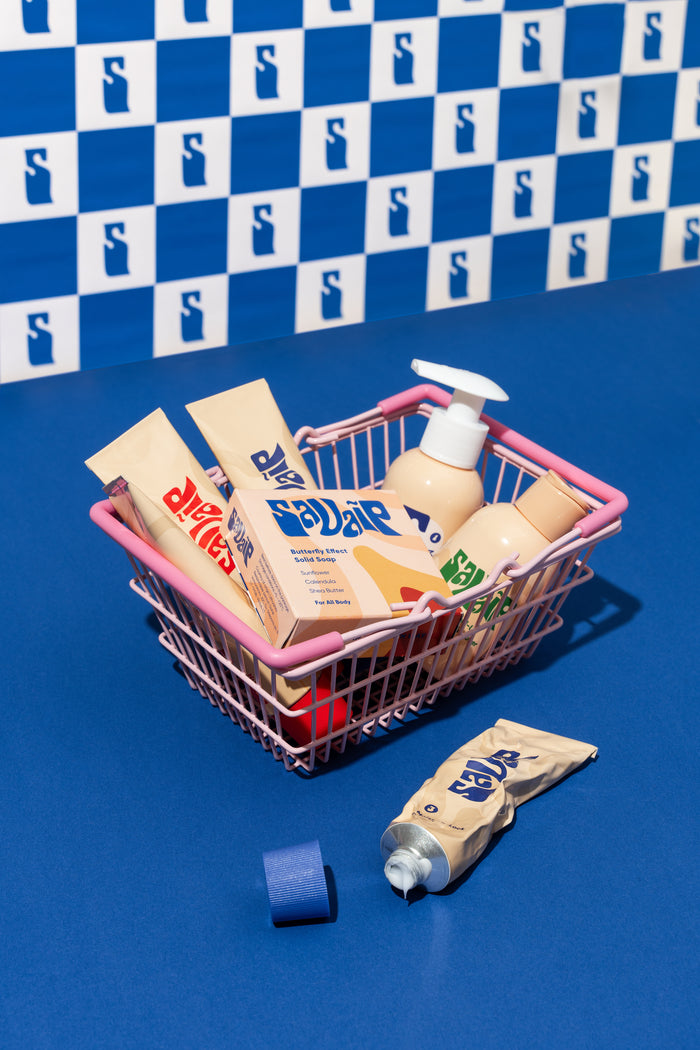
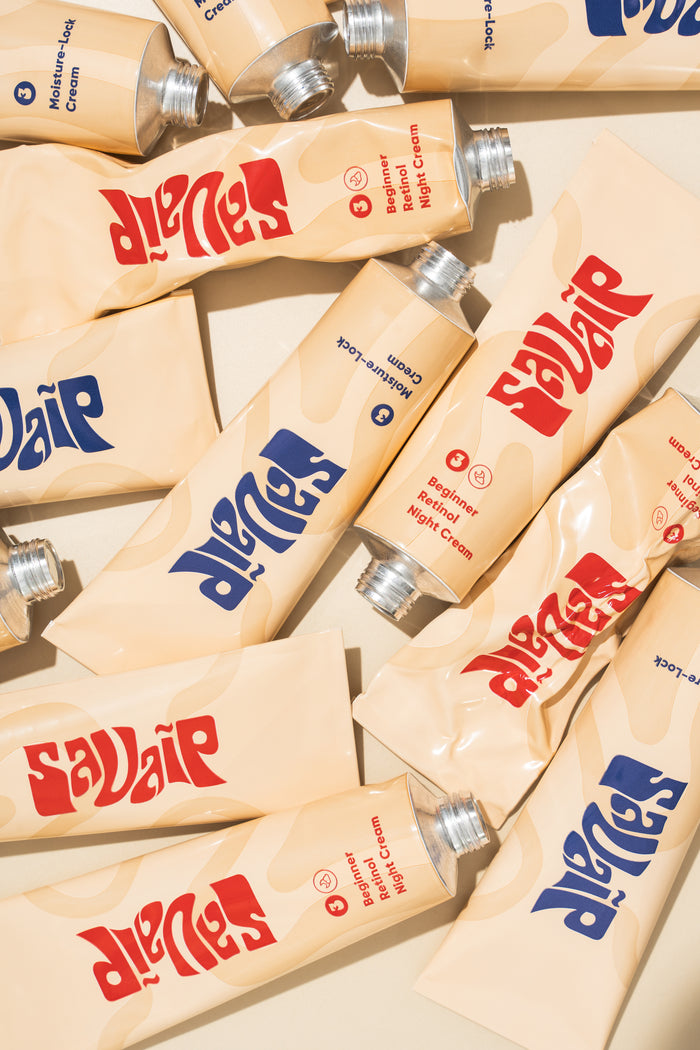
Stress triggers a spike in cortisol, which can disrupt your skin’s natural barrier and cause inflammation. For instance, practicing mindfulness can help lower cortisol levels and promote skin balance. Try this: Take just 5 minutes in the morning for deep breathing. You can pair that with applying your favorite Savaip Moisture-Lock Cream to turn your routine into a mini ritual of calm.
2. Movement: boost your glow and manage stress
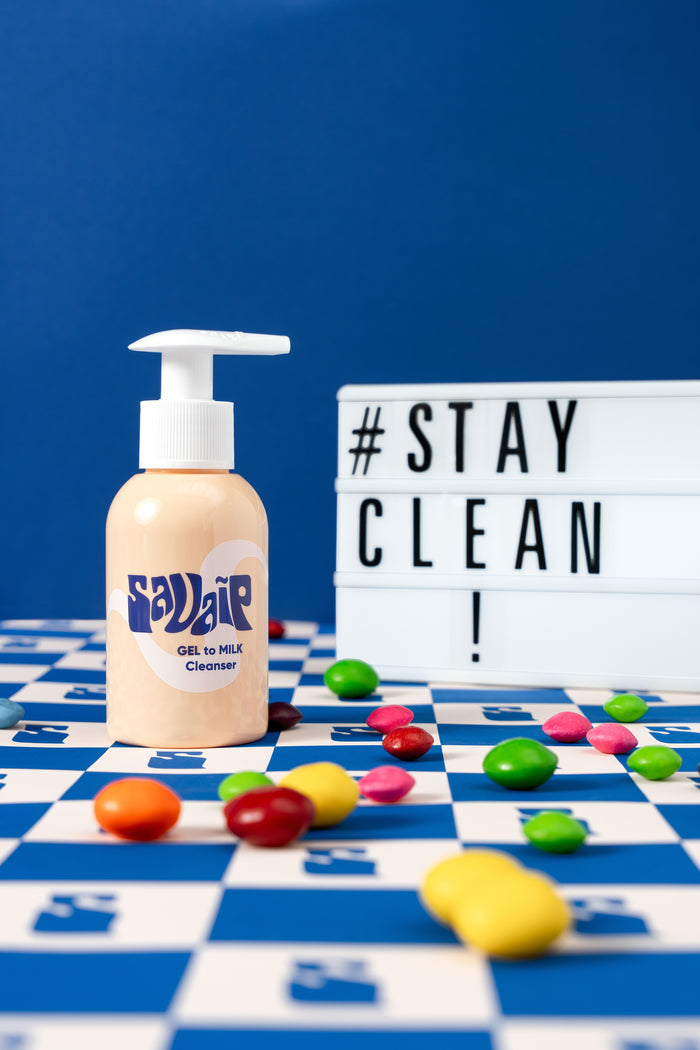
Regular movement increases blood flow. This delivers oxygen and nutrients to your skin while helping flush out waste. Additionally, it reduces inflammation and helps your body manage stress more effectively. After a walk or yoga session, gently cleanse your skin with our Gel-to-Milk Cleanser. It lifts away impurities without stripping your moisture barrier, making it perfect for post-workout care.
3. Sleep: your secret weapon for stress and skin health
Beauty sleep is real. During deep sleep, your skin repairs damage and restores hydration. Poor sleep disrupts this critical process. As a result, it can lead to puffy eyes, dullness, and breakouts. For your evening ritual, apply our Beginner-Friendly Retinol Cream to support skin renewal. Add in a screen-free hour and a warm herbal tea for next-level self-care.
4. Healthy habits: the foundation for good skin health
What you eat and how you hydrate play a huge role in your skin’s resilience. Stress eating and late-night habits can lead to increased sensitivity. Here are some simple swaps to improve your stress and skin health:
- Trade refined sugars for antioxidant-rich fruits.
- Sip water regularly throughout the day.
- Avoid caffeine close to bedtime.
- Introduce calming adaptogens or herbal teas.
- Create boundaries with digital devices.
These little shifts can make a big difference, both on your face and in your energy.
Final thoughts on stress and skin hBeautyRoutineealth
Stressed skin needs more than a product—it needs a pause. Ultimately, by balancing movement, mindfulness, sleep, and nutrition, you can support your skin holistically. This allows you to glow from the inside out. Remember: healthy skin is a reflection of a healthy you.


