


We’ve all heard the phrase “beauty sleep” but is it just a saying? Actually, no. In fact, understanding the critical connection between sleep and skin health is a cornerstone of any effective skincare philosophy. While you sleep, your body goes into full repair mode. Essentially, the difference between a dull, tired face and a glowing, refreshed one often comes down to the quality of your sleep and skin health.
🌾The direct effects of sleep on skin health
During these crucial hours, your skin isn't just resting; it's actively working. Therefore, a good night's sleep is essential:
- Repairs Daily Damage: Your skin cells regenerate faster, repairing harm from UV rays, pollution, and environmental stress.
- Boosts Collagen Production: Growth hormone peaks during deep sleep, which is essential for producing the collagen that keeps skin firm.
- Balances Hydration Levels: Your skin's barrier recovers overnight, allowing it to rehydrate and prevent moisture loss.
✨Signs poor sleep is affecting your skin
If your sleep cycle is off, your skin will be the first to tell you. You may notice:
- Puffy eyes and dark circles
- Dry, dull, or uneven skin tone
- Increased breakouts or sensitivity
👀A Bedtime ritual to support your sleep and skin health
To support your skin’s overnight repair process, your nighttime routine should be both calming and functional. Furthermore, using the right products can amplify the benefits for your sleep and skin health. Here’s what we recommend:
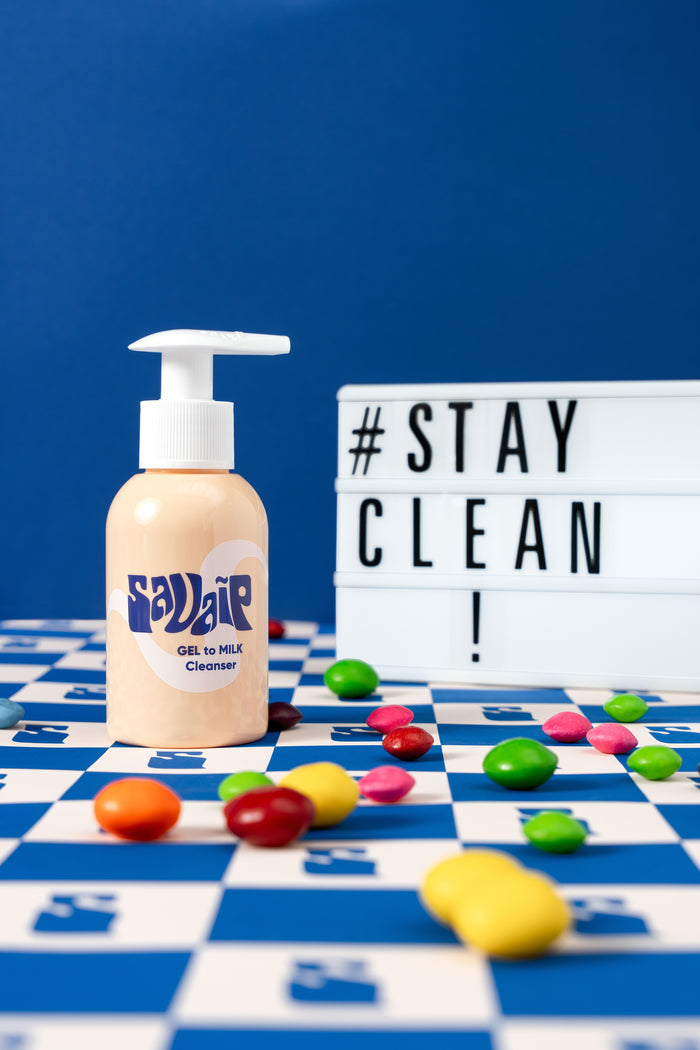
- Start Fresh: Use the Gel-to-Milk Cleanser.
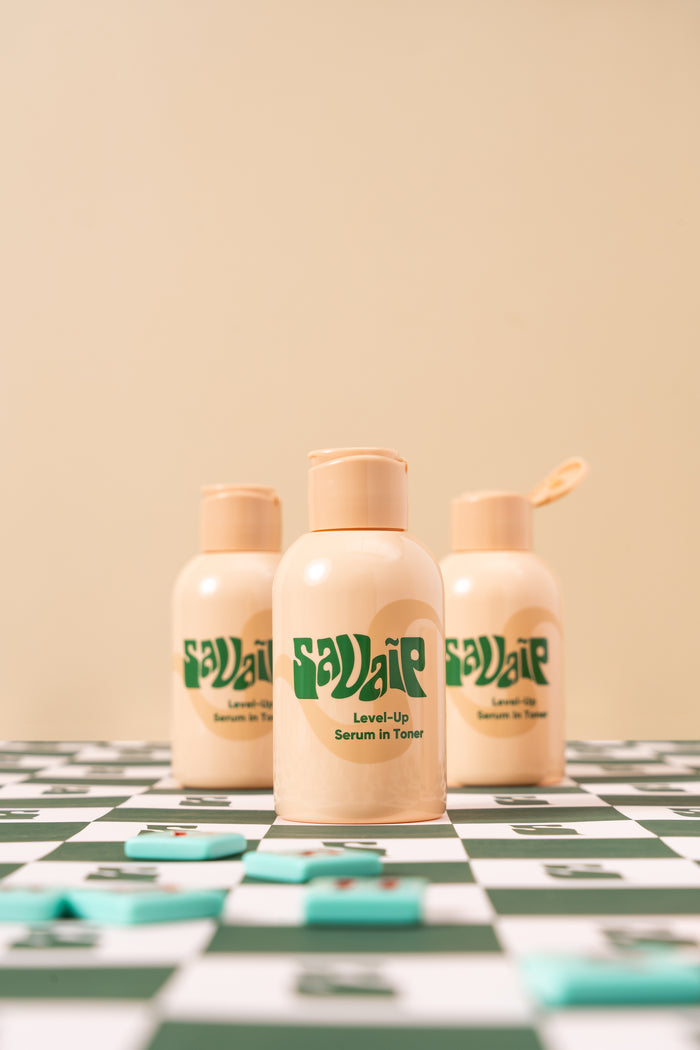
- Layer Hydration: Apply the Level-Up Serum in Toner.
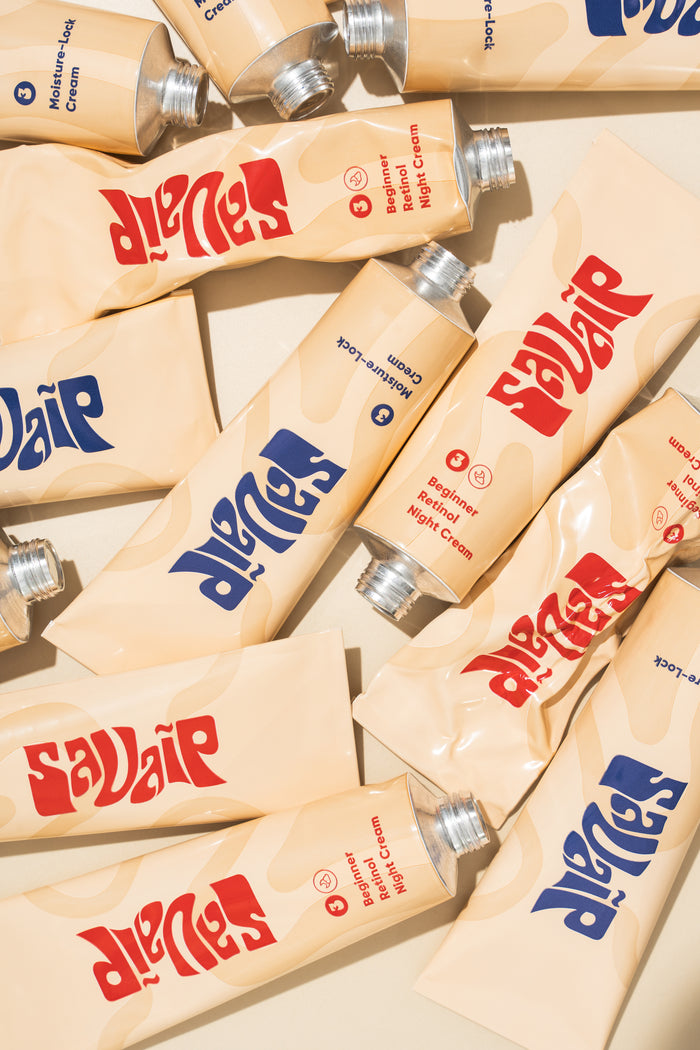
- Lock in Repair: Finish with our Beginner-Retinol Night Cream.
Pro tip: A simple, soothing routine is key for great sleep and skin health.
🌿The bottom line
Sleep is not optional; it's a fundamental pillar for a healthy complexion. Prioritize your rest, set up a gentle nighttime routine, and you'll see the direct benefits for you.
🌙Real rest. Real skin results. That’s the Savaip way.


