

Winter can feel magical, but your skin often disagrees. The cold, dry air outdoors and heating indoors strip away moisture, leaving skin tight, flaky, and sensitive. The good news? With the right winter skincare routine, you can keep your skin soft, hydrated, and glowing all season.
Let’s answer some of the most common questions to help you build your best routine.
Q1: Why is a winter skincare routine necessary for dry skin?
Cold weather lowers humidity, meaning there’s less moisture in the air. Add indoor heating, and your skin barrier loses water faster. Consequently, that’s why your face might feel tight, rough, or even itchy.
💡Tip: Therefore, supporting your skin barrier with hydration-boosting products is the first step to winter-proof skin.
Q2: How do I build?
Essentially, you should layer hydration instead of relying on just one product. Think of it like dressing in layers for warmth.
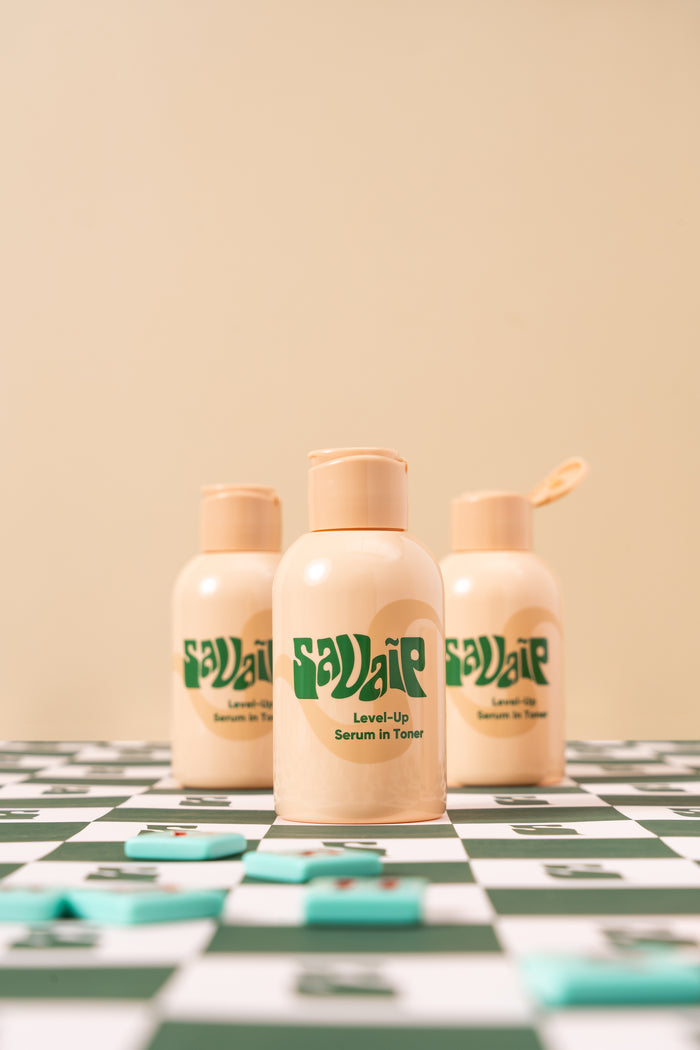
- Start with a toner like the Plump-Glow Milky Toner (with Wastar™ Lavender and Panthenol) to lock in a first layer of hydration.
- Follow with the Water-Lock Gel Cream (AQUAXYL™+ Panthenol) to prevent moisture loss throughout the day.
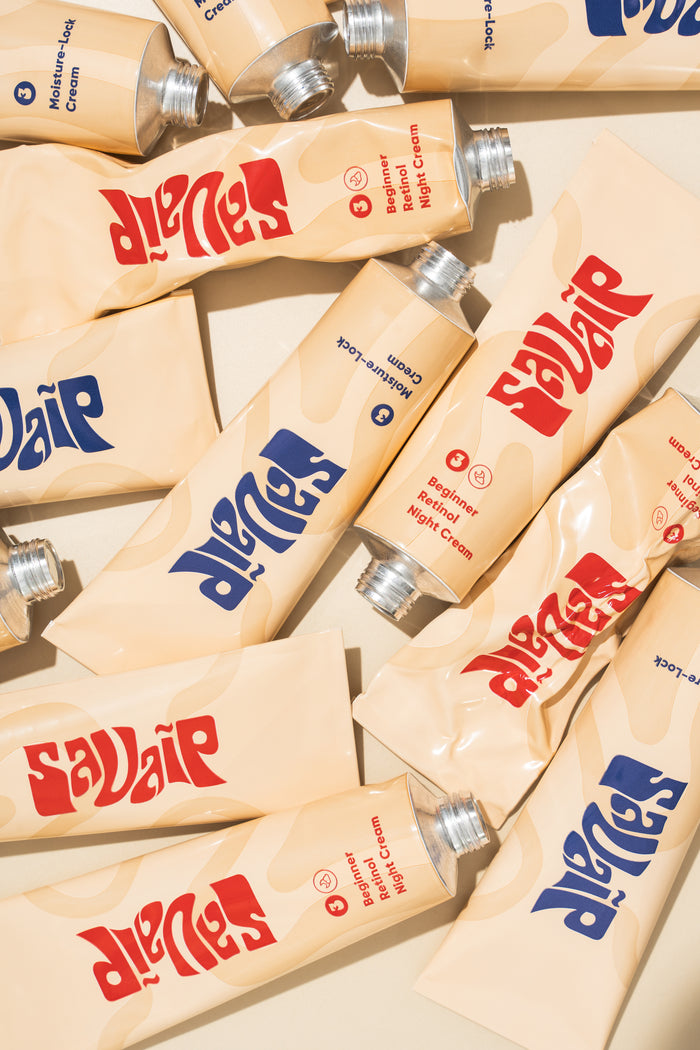
- At night, seal everything in with the Moisture-Lock Cream (Ceramide NP + Oat Extract) to strengthen your barrier.
Q3: Should I change my cleanser for my winter routine?
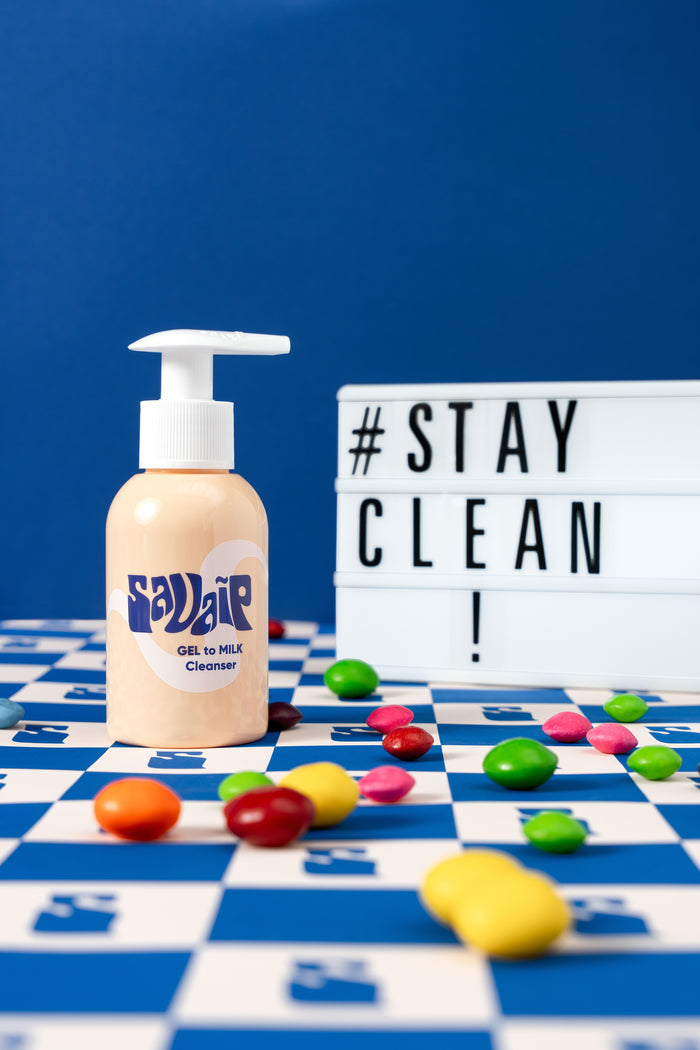
Yes. In fact, harsh cleansers can make dryness worse. Switch to something gentle that cleans without stripping, like the Gel-to-Milk Cleanser, powered by Oat Extract and Allantoin to calm and protect.
Q4: Should masks be part of my winter skincare routine?
Absolutely. For example, a hydrating or soothing mask gives your skin an extra boost when it feels especially stressed.
✨Try the Youth-Lock Peptide Face Sheet Mask, which delivers a surge of hydration and calming care, perfect for a mid-week reset.
Q5: How can I prevent flakes and irritation?
Gentle exfoliation once a week helps remove dead skin that blocks hydration. But skip harsh scrubs; instead, try the Prep-For-Glow Enzyme Mask, which uses fruit enzymes to smooth without irritation.
Q6: Lifestyle tips for a better winter skincare routine?
Furthermore, consider these simple habits:
- Drink enough water (hydration starts inside).
- Use a humidifier indoors to add moisture back to the air.
- Avoid super-hot showers, which strip your skin barrier.
💙In conclusion, at SavaipSkin, we believe winter skincare should feel like a hug for your skin; gentle, hydrating, and protective. With the right winter skincare routine, your skin won’t just survive the season, it will glow through it.


