

Hey beautiful, your Savaip Skin bestie here.
If you’ve ever stared at a shelf full of creams and thought, “Which one is right for me?”, you’re not alone. The secret isn't about hype; it’s about learning how to choose moisturizer skin type based on your unique needs.
So, let’s walk through how to choose the right moisturizer without guessing; so your skin feels calm, hydrated, and confident every single day.
1. First, Know Your Skin Type
Before buying anything, pause and learn how your skin behaves. In fact, this is the most critical step to choose moisturizer skin type correctly.
- Dry skin: tight, flaky, or rough after cleansing.
- Oily skin: shiny in the T-zone, with visible pores.
- Combination: oily forehead and nose, drier cheeks.
- Sensitive: reacts easily with redness or itching.
- Normal: balanced and soft with no major concerns.
If you’re unsure, try the bare-skin test: cleanse, skip all products, wait 30–60 minutes, and observe.
2. How to Choose a Moisturizer Texture for Your Skin Type
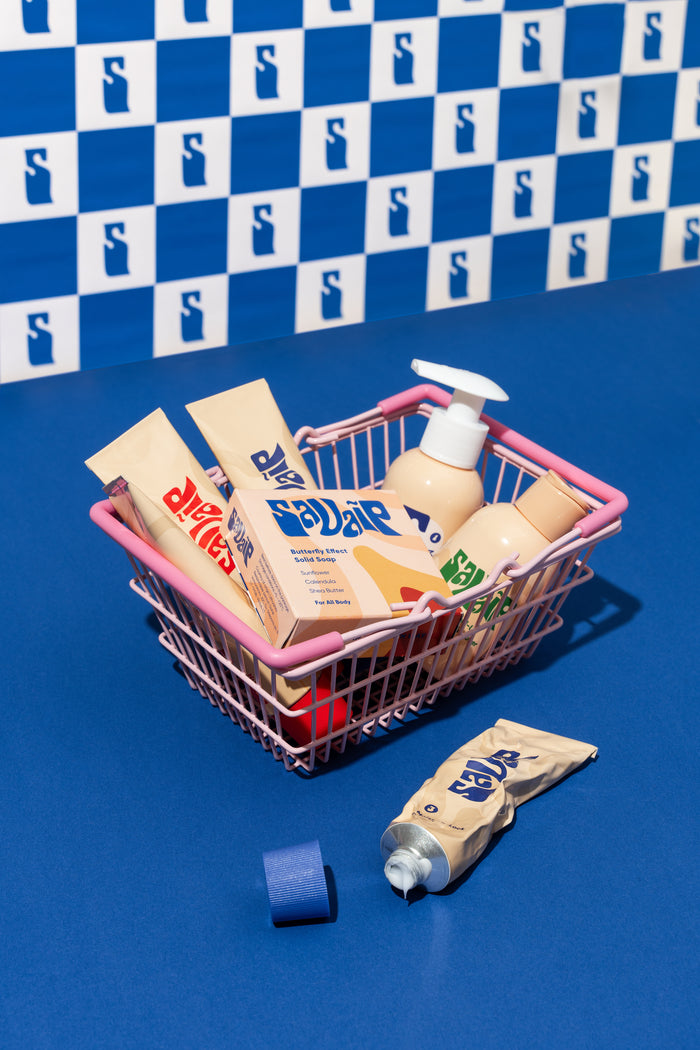
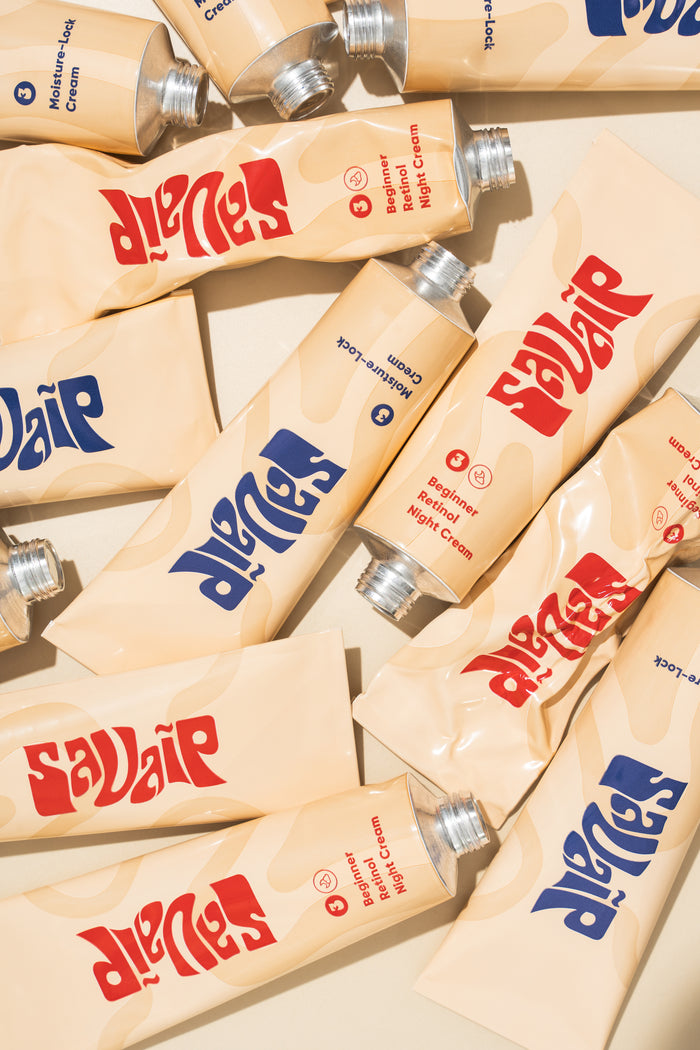
- Dry skin → richer creams: Opt for formulas that seal in moisture. Try Savaip’s Moisture-Lock Cream for deep hydration without heaviness.
- Oily or acne-prone skin → gel moisturizers: Look for non-comedogenic, oil-free formulas. Our Water-Lock Gel Cream keeps shine under control.
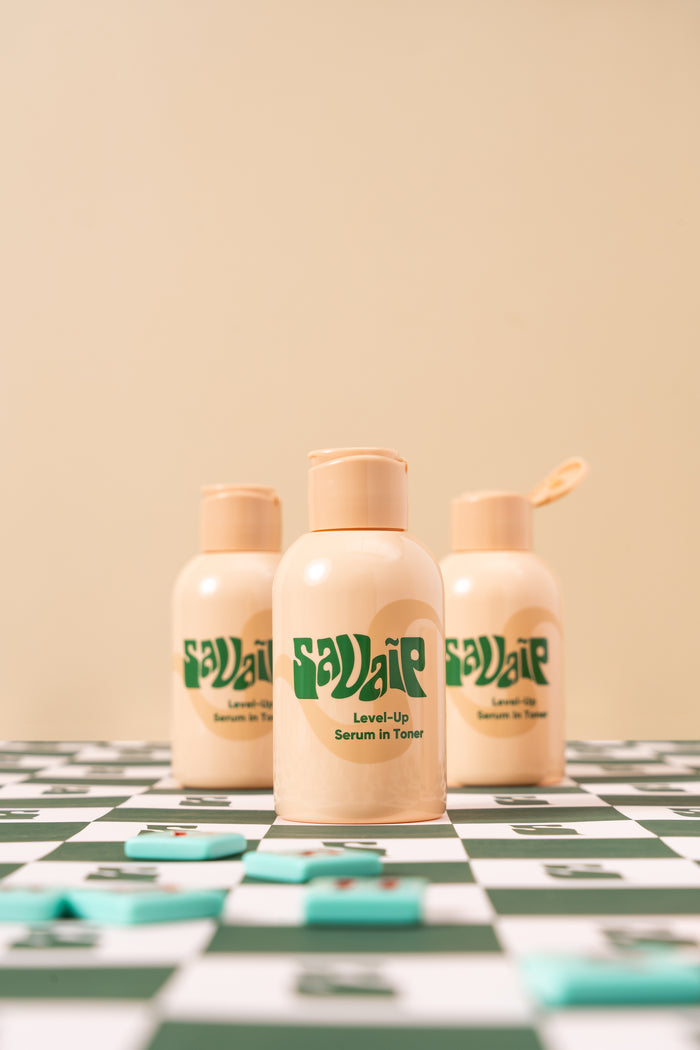
- Combination skin → balanced hydration: Use a mid-weight moisturizer or layer a toner and gel. The Plump-Glow Milky Toner works perfectly.
- Sensitive skin → fragrance-free formulas: Avoid artificial scents and harsh actives. A mild moisturizer keeps things calm.
- Normal skin → maintain balance: Stick to well-rounded hydration to preserve your natural glow.
💡Pro tip: A 2024 study by Harvard Health Publishing found that choosing texture based on skin type reduces irritation over time.
3. Ingredients That Actually Matter
Furthermore, when you choose a moisturizer, look for these key ingredients:
- Humectants (hyaluronic acid, glycerin): draw water into your skin.
- Emollients (squalane, ceramides): soften and smooth texture.
- Occlusives (dimethicone, shea butter): lock moisture in.
- Non-comedogenic: won’t clog pores.
- Fragrance-free & gentle preservatives: especially if you’re reactive.
If you want a glow-up step once or twice a week, add our Prep-for-Glow Enzyme Mask to gently exfoliate and boost absorption.
4. Consider Climate and Routine
Ultimately, where you live matters. Your needs will change based on:
- Hot, humid weather: lighter gels and fluid lotions.
- Cold, dry climates: richer creams or balms for barrier protection.
- Morning: lightweight formulas under SPF.
- Night: nourishing textures for recovery, like the Beginner-Retinol Night Cream if your skin tolerates actives.
Dermatologists from Healthline recommend adjusting moisturizer thickness seasonally to prevent dryness and congestion.
5. Quick Checklist for Your Next Purchase
✅ Identify your skin type
✅ Choose a texture that feels right
✅ Check for non-comedogenic/fragrance-free labels
✅ Read the first five ingredients—that’s where the action is
✅ Patch test before full use
✅ Give it 4–6 weeks before switching
Not sure yet? Try our Discover & Try Sample Kit to experiment with textures safely.
6. Best Savaip Picks to Choose a Moisturizer by Skin Type
- Dry skin: Moisture-Lock Cream
- Oily skin: Water-Lock Gel Cream
- Combination skin: Plump-Glow Milky Toner
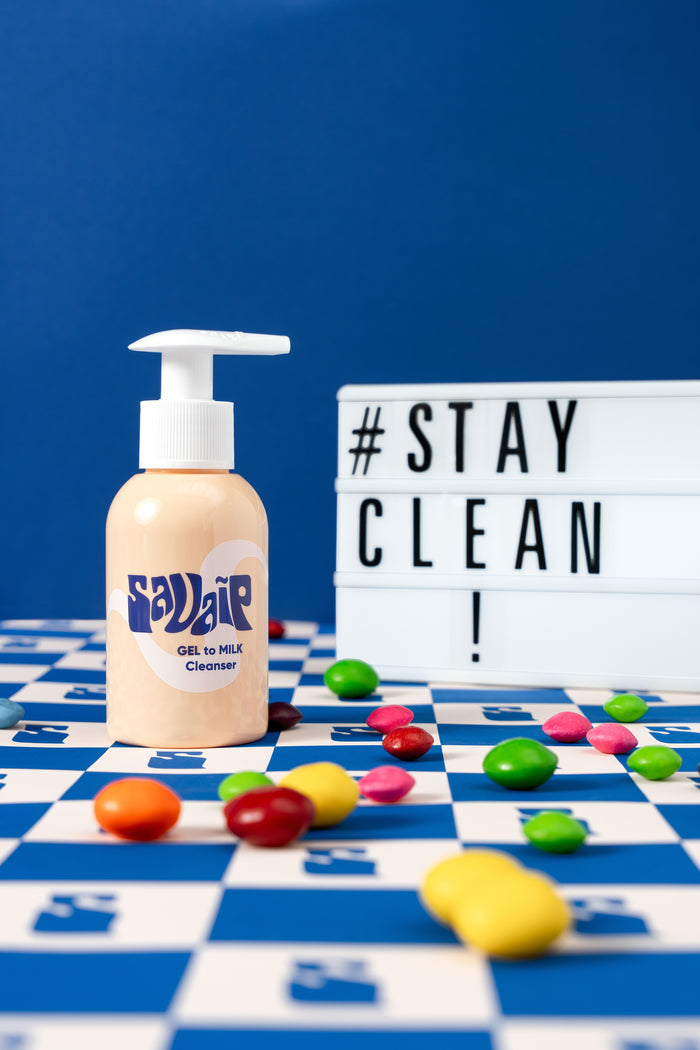
- Sensitive skin: Gel-to-Milk Cleanser (paired with a gentle moisturizer)
- Night repair: Beginner-Retinol Night Cream
You can also learn how to build a full routine with our Skincare Routine Starter Guide.
7. FAQs
Q: Can oily skin skip moisturizer?
A: Nope! Even oily skin loses water. Use a water-based, non-comedogenic gel to balance sebum.
Q: How do I know if my moisturizer is working?
A: Your skin should feel soft, balanced, and not greasy within a week or two.
Q: Can I mix my moisturizer with other products?
A: Yes. Layer water-based products first, then seal with cream.
🌿Final Thoughts — from Savaip Skin
Learning how to choose moisturizer skin type shouldn’t feel like a science experiment. Once you know your skin type and texture preference, it’s easy. In conclusion, stick to gentle, smart, consistent care, and your skin will thank you.
If you’re unsure which one to start with, take our quiz on the Discover & Try Sample Kit page—we’ll help you find your perfect match.


