

Why Your Skin Looks Dull Even When You Take Care of It (And What It’s Telling You)
Quick Answer: Why does skin look dull even with a good skincare routine?
Skin can look dull even with proper care because the surface isn’t reflecting light evenly. Slow cell turnover, dehydration, buildup of dead cells or pollution and a weakened barrier can scatter light instead of allowing it to bounce off smoothly. Supporting gentle renewal, hydration and barrier health helps the complexion regain its natural glow.
What Does “Dull Skin” Actually Mean?
Dull skin isn’t about neglect; it’s about how light interacts with your skin. Radiant skin reflects light evenly; dull skin reflects light unevenly and may appear tired or flat. This often signals that your skin needs support with texture, hydration and barrier balance.
Why Skin Looks Dull Even With Good Skincare
Even a consistent routine may miss underlying factors. Common causes include:
1. Slow cell turnover – When your skin sheds old cells more slowly, dead cells accumulate on the surface. This buildup scatters light unevenly and reduces visible brightness. Research in the Journal of Investigative Dermatology highlights how skin renewal plays a role in overall skin appearance.
2. Dehydration – Even oily skin can lack water. Dehydrated skin may look flat and fine lines can appear more visible. Hydration is essential for all skin types.
3. Surface buildup – Throughout the day, your skin collects dead cells, oil and environmental particles. If not gently removed, this buildup affects clarity.
4. Environmental exposure – Pollution and UV exposure increase oxidative stress, affect
tone and disrupt barrier function. Indoor heating or air conditioning can also dry out skin.
5. Skin barrier imbalance – When the barrier isn’t fully supported, moisture escapes more easily and the surface becomes uneven. This can decrease radiance and make skin more reactive. According to the National Institutes of Health, the skin barrier plays a key role in maintaining hydration and resilience.
Why “Glow” Is Really About Light Reflection
Radiance comes from smooth texture and hydration. Healthy, hydrated skin reflects light evenly while dull skin, which lacks hydration and has uneven texture, scatters light. Improving glow is less about adding shimmer and more about supporting your skin’s natural functions.
How Can You Support Skin That Looks Dull?
Instead of chasing instant brightness, focus on restoring balance. Here’s a gentle, barrier-first plan:
Support Gentle Renewal
Light exfoliation removes surface buildup and encourages fresh skin cells. Avoid aggressive scrubs. A weekly treatment like Prep-For-Glow Enzyme Mask uses bromelain and papain enzymes to gently exfoliate, refine pores and smooth your skin. Hydrating trehalose and detoxifying kaolin prevent dryness while enhancing glow.
Focus on Hydration
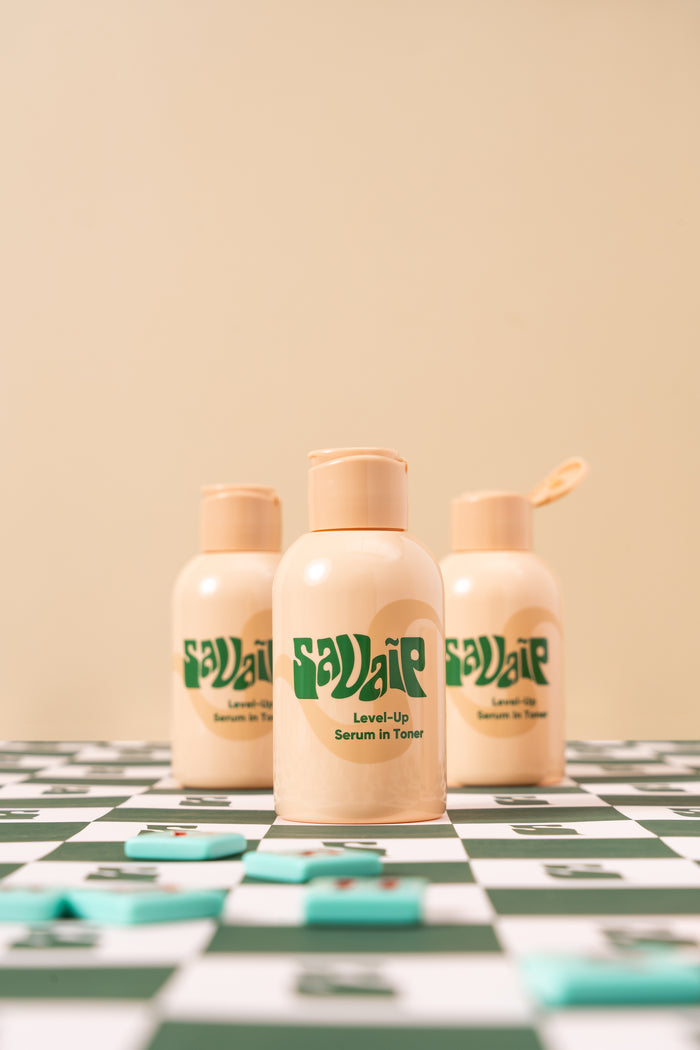
Hydration plumps the skin and improves how it reflects light. After cleansing, apply Plump-Glow Milky Toner. This milk-textured toner combines antioxidant-rich Wastar™ Lavender, deeply hydrating glycerin and soothing panthenol to deliver a plumping effect and dewy glow. It’s fragrance-free and suitable for sensitive skin.
Maintain Moisture Balance
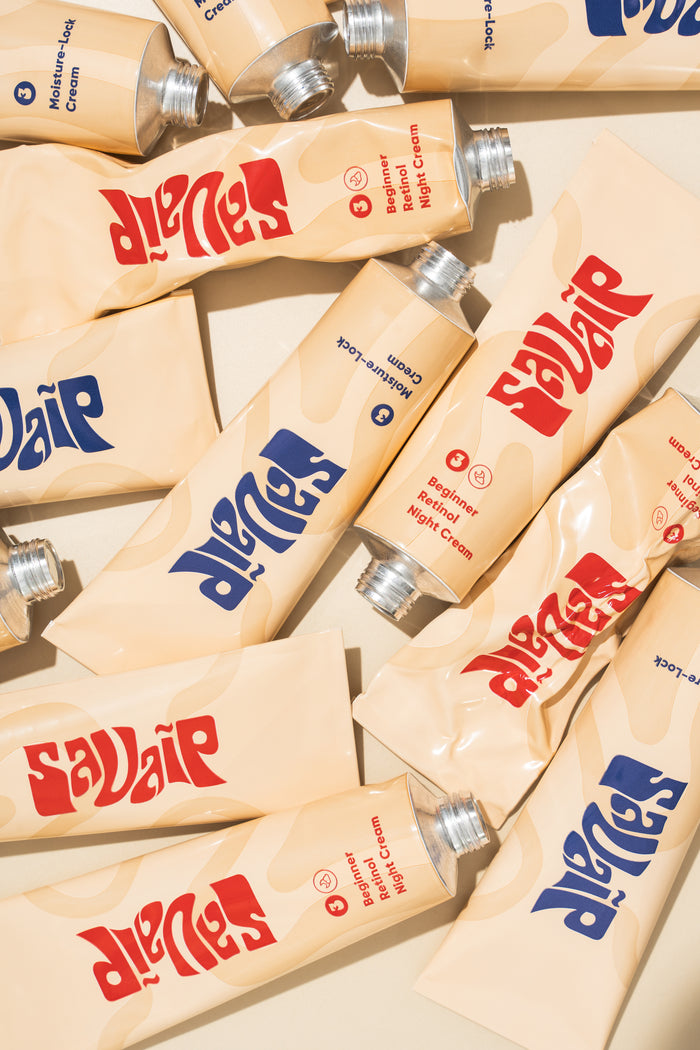
Moisturizers lock in hydration and protect the barrier. Choose lightweight formulas with
barrier-supporting ingredients. Water-Lock Gel Cream uses AQUAXYL™ to optimize water circulation, trehalose to lock in moisture and D-Panthenol to soothe and nourish your skin. For richer hydration, Moisture-Lock Cream includes Wastar™ Lavender, Cerafluid®, Oat Extract and sodium hyaluronate to restore the barrier and provide deep, lasting moisture.
Protect Your Skin Daily
Environmental stressors contribute to dullness. Use a broad-spectrum sunscreen, cleanse gently and avoid hot water. Incorporate antioxidants through diet and skincare to fight oxidative stress.
Keep a Consistent Routine
Consistency allows your skin to rebalance. Daily habits, such as cleansing, hydrating and
moisturizing, should be steady rather than sporadic.
Actionable Checklist for a More Radiant Complexion
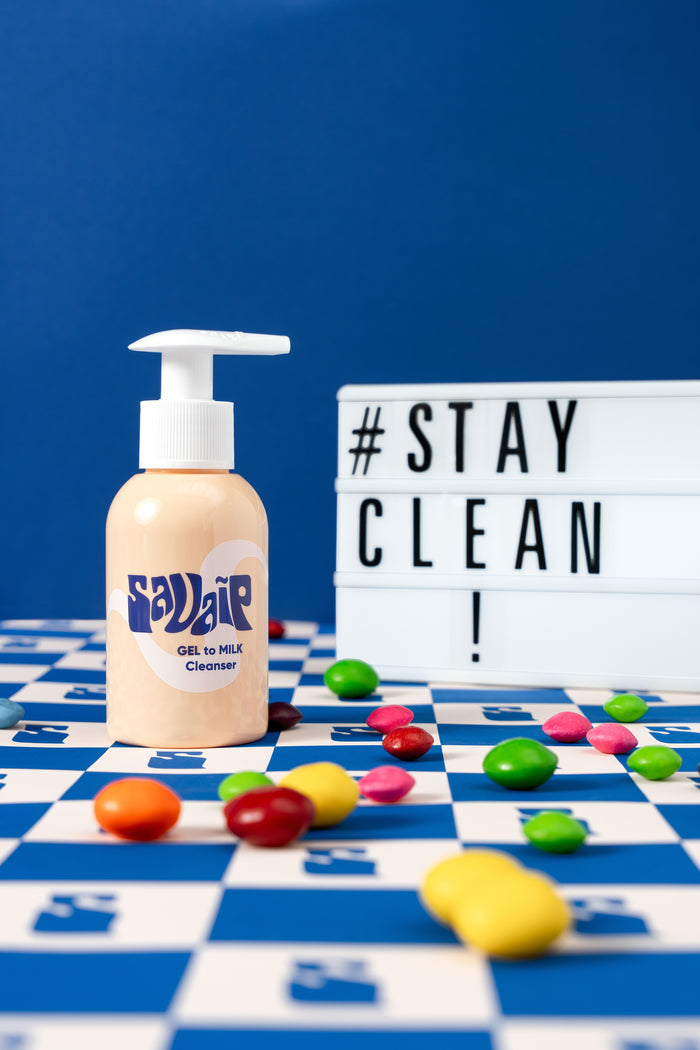
• ✔ Gently cleanse to remove daily buildup (try Gel-to-Milk Cleanser, enriched with
soothing oats, Allantoin and lactic acid to sweep away makeup and impurities without
stripping moisture).
• ✔ Use a mild exfoliant once or twice a week.
• ✔ Apply a hydrating toner after cleansing.
• ✔ Moisturize to lock in hydration and support the barrier.
• ✔ Protect skin from environmental stressors with sunscreen and antioxidants.
• ✔ Stay consistent with your routine and allow time for changes to take effect.
Frequently Asked Questions
Why does my skin look dull even with skincare?
Dullness often results from slow cell turnover, dehydration or surface buildup; not a lack of care.
Can oily skin look dull?
Yes. Oily skin can still lack hydration, which affects how light reflects off the surface.
How can I improve skin radiance?
Supporting hydration, gentle exfoliation and barrier health can help improve overall skin
brightness.
Is dull skin permanent?
No. Dullness is usually temporary and improves as skin conditions like hydration and cell
turnover are supported.
Does hydration affect skin glow?
Absolutely. Hydrated skin reflects light more evenly, which contributes to a radiant appearance.
Soft Conversion
If your skin looks dull despite a consistent routine, the solution isn’t a long list of products—it’s smarter, barrier-first care. A gentle routine built around a mild exfoliant, a hydrating toner and a barrier-supporting moisturizer allows your skin to restore its natural radiance. SavaipSkin formulas are designed with this philosophy: minimal, fragrance-free and focused on ingredients like ceramides, trehalose and panthenol to nourish sensitive or reactive skin.
Conclusion
If your complexion seems lacklustre even with good skincare, it’s not a sign of failure. Dullness often reflects natural processes such as slow cell turnover, dehydration and environmental stress. By supporting gentle renewal, hydrating properly and protecting your barrier, you help your skin return to a balanced, luminous state. Healthy skin doesn’t need to be perfect to look luminous; it needs to feel supported.
Next Step: Ready to reclaim your glow? Explore SavaipSkin’s barrier-first skincare, including our Prep-For-Glow Enzyme Mask, Plump-Glow Milky Toner and Water-Lock Gel Cream to build a routine that supports your skin, not overwhelms it.


