

Invisible Signs Your Skin Barrier Is Struggling (Before Irritation Gets Worse)
Featured Snippet Answer
Invisible barrier damage happens when your skin becomes stressed before visible irritation appears.Early signs can include tightness, dullness, stinging, dehydration, uneven texture, or sudden sensitivityto products that once felt comfortable. A simplified, barrier-focused skincare routine may help calm andsupport stressed skin before irritation becomes more severe.
Invisible Signs Your Skin Barrier Is Struggling
(Before Major Irritation Starts)
Not all skin irritation begins with redness or breakouts.
Sometimes the first signs are much quieter.
Your skin may suddenly feel tight after cleansing.
Your moisturizer may sting slightly.
Your face may look dull even though your routine has not changed.
These subtle shifts are often early signs that your skin barrier is becoming stressed.
And because the symptoms seem mild at first, many people continue adding more products, more exfoliants, or stronger actives; unintentionally making the problem worse.
In reality, stressed skin usually needs the opposite approach:
less overload,
more support,
and a calmer routine.
What Is the Skin Barrier?
Your skin barrier is the outer protective layer of your skin.
Its role is to:
• keep hydration inside the skin
• protect against environmental stress
• reduce irritation sensitivity
• help skin stay balanced and comfortable
When the barrier becomes weakened, skin often becomes:
• more reactive
• dehydrated
• inconsistent
• uncomfortable
The difficult part is that barrier stress does not always look dramatic immediately.
In many cases, your skin starts feeling “off” before visible irritation appears.
If you want a deeper understanding of how barrier health affects long-term skin comfort, Why Skin Barrier Repair Is More Important Than Ever (And How to Do It Right)explores how barrier function influences hydration, resilience, and sensitivity over time.
Early Signs Your Skin Barrier May Be
Struggling
1. Your Skin Feels Tight After Cleansing
One of the earliest signs of barrier stress is tightness.
Your skin may:
• feel stretched after washing
• lose comfort quickly
• feel dry even after moisturizing
• become uncomfortable throughout the day
This often happens when the skin loses water faster than it should.
For sensitive skin, cleansing is one of the easiest places for barrier disruption to begin.
Harsh cleansers can remove more than dirt and oil; they can also leave skin feeling stripped and vulnerable.
That is why barrier-conscious cleansing matters so much.
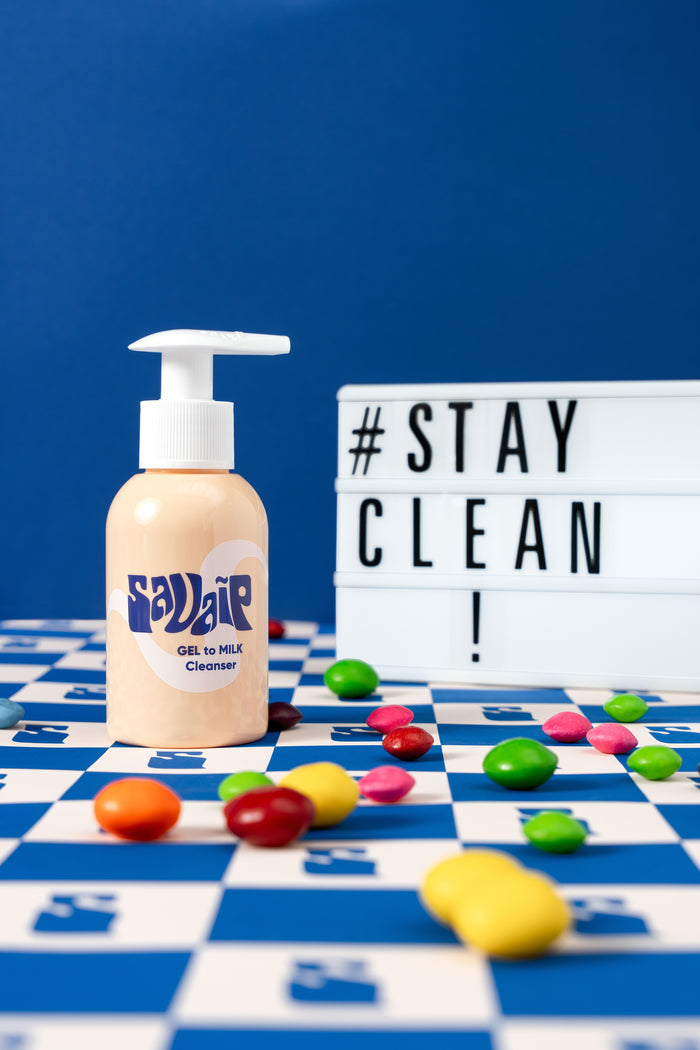
SavaipSkin’s Gel-to-Milk Cleanser was designed specifically for sensitive and barrier-stressed skin. Instead of leaving skin feeling squeaky or depleted, it helps cleanse gently while supporting skin comfort.
If your skin frequently feels tight after washing, Gentle but Mighty: Why Our Gel-to-Milk Cleanser Is Your Skin’s New Best Friend explains why gentle cleansing can make such a significant difference for stressed skin.
2. Products Suddenly Start Stinging
If products that once felt gentle suddenly sting or burn slightly, your skin barrier may be becoming more reactive.
This does not always mean the product itself is “bad.”
Sometimes your skin has simply become more vulnerable.
Common causes include:
• over-exfoliation
• too many active ingredients
• harsh cleansing
• stress
• environmental exposure
• lack of recovery time
When the barrier becomes compromised, skin often struggles to tolerate products it previously handled comfortably.
At this stage, skin usually benefits more from calming support than stronger treatments.
Barrier-supportive ingredients like:
• ceramides
• oat extract
• glycerin
• panthenol
may help skin feel more comfortable over time.
SavaipSkin’s barrier-first philosophy focuses on supporting sensitive skin gently rather than overwhelming it with aggressive routines.
If you want to better understand which ingredients support stressed skin, Barrier Boosters: Ingredients That Hug Your Skin explores some of the most effective barrier-supportive ingredients for sensitive skin.
You may also enjoy Ceramide NP for Calm, Hydrated Skin—Here’s Why Your Routine Needs It if your skin has been feeling dry, reactive, or easily overwhelmed recently.
3. Your Skin Looks Dull — Even Though You’re Using “Good”Products
Many people assume dull skin automatically means they need more exfoliation.
But sensitive skin often becomes dull when the barrier is dehydrated, stressed, or uneven.
When the skin barrier struggles, skin may:
• reflect light unevenly
• appear flatter or rougher
• lose softness
• develop texture changes
Trying to aggressively “fix” dullness can sometimes worsen irritation instead of improving it.
This is especially common when too many exfoliating products are used at once.
If this sounds familiar, Signs You’re Over Exfoliating (Even If Your Skin Looks Fine) explains how subtle over-exfoliation can quietly damage skin balance before obvious irritation develops.
In many cases, calmer skin looks healthier than overworked skin.
4. Your Skin Becomes Unpredictable
Some days your skin feels normal.
Other days it suddenly feels irritated for no obvious reason.
This inconsistency is extremely common when the skin barrier becomes less resilient.
You may notice:
• fluctuating dryness
• temporary redness
• increased sensitivity
• changing oiliness
• products working differently than before
Sensitive skin is rarely influenced by products alone.
Stress, sleep, weather, indoor heating, and environmental exposure can all affect barrier stability.
But when the skin barrier is already weakened, these triggers often affect skin more intensely.
This is why consistency matters so much for sensitive skin.
Constantly switching routines, adding stronger products, or chasing instant results may increase instability rather than improve it.
What Commonly Causes Invisible Barrier Stress?
Over-Exfoliation
Using too many:
• acids
• scrubs
• retinoids
• resurfacing treatments
can slowly overwhelm skin over time.
Sometimes damage develops gradually instead of immediately.
This is especially common when multiple “good” skincare products are layered together without enough recovery time.
Too Many Products at Once
More skincare is not always healthier skincare.
Many sensitive skin routines become unintentionally overwhelming.
Layering too many products may increase:
• irritation risk
• ingredient conflict
• barrier overload
• sensitivity fluctuations
especially when the skin barrier is already stressed.
In many cases, simplifying the routine helps skin recover more effectively than constantly adding new products.
That is why SavaipSkin focuses on minimalist, barrier-first skincare rather than excessive multi-step routines.
If you are trying to simplify an overwhelmed routine, Minimalist Skincare: Do You Really Need 10 Steps? explores why sensitive skin often responds better to consistency and balance than complexity.
Environmental Stress
Daily environmental exposure also affects barrier health.
This includes:
• cold weather
• pollution
• indoor heating
• UV exposure
• long hot showers
• hard water
Even small stressors can gradually weaken skin resilience over time.
Chronic Stress and Lack of Recovery
Stress and poor sleep may also influence skin barrier function.
When skin does not recover properly, it often becomes:
• more reactive
• more dehydrated
• less resilient
• increasingly uncomfortable
Healthy skin usually performs best when it has enough recovery, consistency, and support.
Mistakes That Can Quietly Make Barrier Stress Worse
Adding More Products Too Quickly
When skin starts reacting, many people immediately add:
• stronger treatments
• more serums
• more exfoliants
• more “repair” products
Unfortunately, this often creates even more overload.
Stressed skin usually responds better to simplification.
Confusing Irritation With “Progress”
Not all tingling, burning, or tightness is a sign that products are “working.”
In many cases, discomfort is simply discomfort.
Healthy skin should generally feel calm and comfortable; not constantly overstimulated.
Using Active Ingredients Too Frequently
Even beneficial ingredients can become overwhelming when overused
Especially:
• retinoids
• exfoliating acids
• benzoyl peroxide
• multiple resurfacing products layered together
Sensitive skin often benefits more from balance than intensity.
How to Support a Struggling Skin Barrier
Simplify Your Routine
When skin feels overwhelmed, simplifying the routine is often one of the most effective first steps.
A barrier-supportive routine usually focuses on:
• gentle cleansing
• hydration
• moisturizer support
• sunscreen
• fewer overlapping actives
SavaipSkin’s approach centers around supporting sensitive skin without unnecessary complexity or overstimulation.
For many people, healthier skin starts with doing less; more consistently.
Focus on Barrier-Supportive Products
Barrier-stressed skin often responds best to products designed to:
• reduce irritation
• support hydration
• reinforce moisture retention
• improve comfort gradually
This is where product choice becomes important.
A gentle cleanser, supportive moisturizer, and calming ingredients often help more than aggressive “corrective” products when the barrier is struggling.
SavaipSkin’s Gel-to-Milk Cleanser was created specifically to help cleanse sensitive skin comfortably without contributing to that stripped, tight feeling many people experience after washing.
And ingredients like ceramides and oat extract are prioritized because they support skin comfort while helping reinforce the barrier gently over time.
Reduce Overlapping Active Ingredients
Your skin may recover more comfortably when irritation sources are reduced temporarily.
This does not necessarily mean avoiding all active ingredients forever.
But allowing skin more recovery time between stronger treatments often helps improve tolerance over time.
Give Skin Time to Recover
Barrier recovery is rarely immediate.
Most sensitive skin improves gradually through:
• consistency
• gentle routines
• reduced irritation
• supportive hydration
• fewer triggers
Healthy skin usually becomes stronger through stability; not constant intensity.
Healthy Glow vs Irritated Glow
Healthy Skin Glow Irritated “Glow”
Comfortable Tight or hot
Balanced Reactive
Soft radiance Inflamed shine
Consistent Fluctuating
Calm texture Uneven texture
FAQs
Can skin barrier damage happen without redness?
Yes. Early barrier stress can appear as tightness, dullness, dehydration, stinging, or increased sensitivity before visible redness develops.
How do I know if my routine is overwhelming my skin?
If your skin feels increasingly tight, reactive, uncomfortable, or inconsistent, your routine may be overstimulating your barrier.
Should I stop all active ingredients?
Not always. But temporarily reducing strong or overlapping active ingredients may help stressed skin recover more comfortably.
What type of cleanser is best for barrier stressed skin?
Sensitive skin often responds best to gentle cleansers that remove buildup without leaving the skin feeling stripped, squeaky, or overly tight afterward.
Conclusion
Your skin does not need to look severely irritated to need support.
Often, the earliest signs of barrier stress are subtle:
tightness,
dullness,
temporary sensitivity,
or skin that simply feels less comfortable than usual.
Paying attention to these quieter signals can help you support your skin earlier; before irritation becomes harder to calm.
And in many cases, healthier skin is not about adding more.
It is about giving your skin the consistency, balance, and gentle support it needs to function comfortably over time.
That is the philosophy behind barrier-first skincare.


