

Why Your Skin Suddenly Reacts to Products You've Used for Years
It can be frustrating and confusing when a skincare product you've used for months—or even years; suddenly starts causing irritation.
A moisturizer that once felt soothing may begin to sting. A cleanser that never caused problems may leave your skin feeling tight or uncomfortable. Because the product itself hasn't changed, many people assume they have developed an allergy or that the formula has been reformulated.
In reality, the explanation is often more complex.
In many cases, the product is not the primary problem. Instead, changes in your skin barrier,hydration levels, environmental exposure, stress, hormones, or skincare habits can alter how your skin responds to products it previously tolerated well.
Understanding why this happens is important because replacing every product in your routine rarely addresses the root cause. More often, the key is identifying what has changed in the condition of your skin and taking steps to restore its ability to function comfortably.
In this article, we'll explore the most common reasons skin suddenly becomes reactive, how to distinguish between barrier disruption and a true allergy, and what you can do to help your skin recover.
Quick Answer: Why Does Skin Suddenly React to Familiar Products?
Skin often becomes reactive when its protective barrier is no longer functioning optimally.
As the barrier becomes compromised, products that were once well tolerated may begin to cause stinging, burning, dryness, redness, or discomfort.
Common contributing factors include:
• Over-exfoliation
• Dehydration
• Environmental stress
• Harsh cleansing
• Product overload
• Chronic stress
• Poor recovery habits
• Excessive use of active ingredients
In many cases, the product itself is not the root cause. The condition of the skin has changed,making it less resilient and more reactive.
Understanding the Skin Barrier
The skin barrier is the outermost layer of the skin and serves several important functions.
It helps :
• Retain moisture
• Minimize transepidermal water loss (TEWL)
• Protect against irritants and allergens
• Support skin comfort and resilience
• Maintain healthy skin function
When the barrier is healthy, the skin is generally better able to tolerate environmental stressors and skincare products.
However, the skin barrier is influenced by many factors, including:
• Climate and weather
• Indoor heating and air conditioning
• Sleep quality
• Stress levels
• Hormonal fluctuations
• Skincare habits
Because these influences are constantly changing, skin tolerance can change as well.
Learn More About Skin Barrier Health
Want to understand how barrier damage develops and what helps restore it?
→ Read: Why Skin Barrier Repair Is More Important Than Ever (And How to Do It Right)
Early Signs Your Skin Is Becoming More Reactive
Many people assume skin sensitivity begins with visible redness or irritation.
In reality, early signs often appear much sooner.
These may include:
• Tightness after cleansing
• Increased flushing or redness
• Stinging during product application
• Dryness despite regular moisturizing
• Increased sensitivity to weather changes
• Less predictable skin behavior
These symptoms can be subtle, which is why they are often overlooked.
Recognizing them early can help prevent more significant irritation from developing.
Not Sure Whether You Have Sensitive Skin?
Learn the most common symptoms, triggers, and characteristics of sensitive skin.
→ Read: Sensitive Skin Uncovered: Symptoms, Causes & Products to Use
Why Skin Can Suddenly Become Reactive
1. Over-Exfoliation Can Gradually Reduce Skin Tolerance
Exfoliation can be beneficial when used appropriately, but excessive exfoliation is one of the most common causes of increased skin sensitivity.
This can occur through:
• Exfoliating acids
• Physical scrubs
• Retinoids
• Resurfacing treatments
• Multiple active ingredients used together
The effects are not always immediate.
In many cases, repeated exposure gradually weakens the skin barrier over time until irritation becomes noticeable.
Concerned About Over-Exfoliation?
Discover the warning signs before irritation becomes more difficult to manage.
→ Read: Signs You're Over-Exfoliating (Even If Your Skin Looks Fine)
2. Your Skincare Routine Has Become Too Complex
Modern skincare routines often contain multiple serums, treatments, exfoliants, and active
ingredients.
While each product may have a legitimate purpose, combining too many products can place unnecessary stress on sensitive skin.
Common issues include:
• Too many active ingredients
• Layering incompatible products
• Excessive exfoliation
• Frequent product switching
For many people, improvement begins when the routine becomes simpler rather than more advanced.
Could Your Routine Be Doing Too Much?
Learn why simplifying your routine can sometimes produce better results than adding more products.
→ Read: Minimalist Skincare: Do You Really Need 10 Steps?
3. Dehydration Can Increase Skin Sensitivity
Dehydrated skin lacks water, not oil.
As a result, it can be difficult to recognize.
Dehydrated skin may:
• Appear oily
• Experience breakouts
• Feel tight and uncomfortable
• Become more reactive to active ingredients
Because hydration supports healthy barrier function, dehydration can significantly affect how skin responds to skincare products.
Understand the Difference
Many people confuse dehydrated skin with dry skin.
→ Read: Dehydrated Skin Isn't Dry Skin—And That's Where Most People Go Wrong
4. Environmental Factors Can Influence Skin Resilience
Environmental exposure can gradually affect skin barrier function.
Common contributors include:
• Cold weather
• Wind
• Low humidity
• Indoor heating
• Air conditioning
• Increased UV exposure
While these factors may seem unrelated to skincare, they can significantly influence how skin behaves.
Products that felt comfortable during one season may feel very different during another.
5. Stress and Recovery Matter More Than Most People Realize
Research has shown that stress can influence skin health through multiple pathways.
Periods of prolonged stress may contribute to:
• Increased inflammation
• Delayed barrier recovery
• Increased water loss
• Greater skin sensitivity
Many people notice that their skin becomes more reactive during demanding periods of life, even when their skincare routine remains unchanged.
Could It Be an Allergy Instead?
One of the most common questions people ask is whether they have suddenly developed an allergy to a product they have used for years.
The answer is: sometimes.
Allergic Contact Dermatitis can develop over time after repeated exposure to a particular
ingredient.
Possible signs include:
• Persistent itching
• Swelling
• Rash-like reactions
• Reactions that worsen with continued use
• Irritation consistently linked to one specific product
However, many cases of sudden skincare irritation are actually related to barrier disruption rather than a true allergy.
Expert Insight
If multiple products suddenly begin causing discomfort at the same time, barrier damage is often a more likely explanation than developing simultaneous allergies to several products.
If symptoms persist or worsen, consulting a dermatologist can help identify the underlying cause.
Why Your Cleanser Suddenly Feels Harsh
Cleansing is often the first step in a skincare routine where increased sensitivity becomes
noticeable.
A cleanser that once felt comfortable may suddenly leave skin feeling:
• Tight
• Dry
• Stripped
• Uncomfortable
This doesn't always mean the cleanser is inappropriate.
It may indicate that the skin barrier is no longer as resilient as it once was.
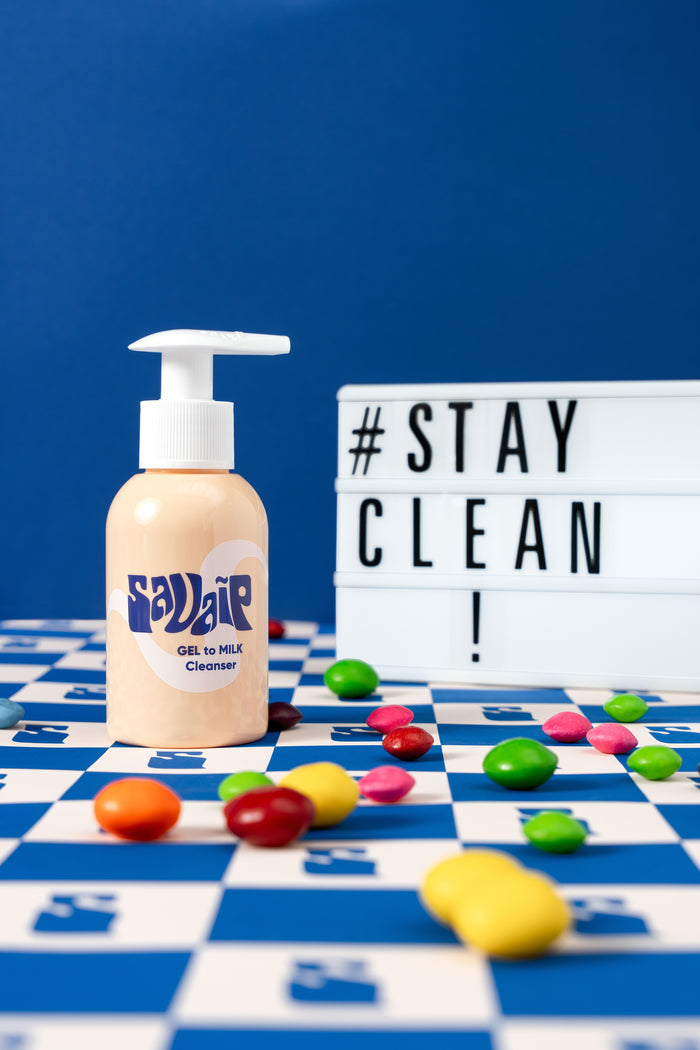
When skin becomes reactive, choosing a gentle cleanser that cleans effectively without disrupting barrier function becomes increasingly important.
Looking for a Gentler Cleanser?
Explore a cleansing approach designed to support sensitive and reactive skin.
→ Explore: Gel-to-Milk Cleanser
Why Your Moisturizer Suddenly Burns
Many people find it particularly concerning when a moisturizer starts to sting.
After all, moisturizers are intended to soothe and support the skin.
In many cases, the stinging sensation occurs because the skin barrier has become compromised.
When the barrier is weakened, even products that are generally considered gentle can cause temporary discomfort.
Ingredients commonly associated with barrier support include:
• Ceramides
• Glycerin
• Panthenol
• Oat extract
These ingredients help support hydration and improve skin comfort while recovery takes place.
Looking for Barrier-Friendly Hydration?
Hydration plays an important role in supporting stressed and reactive skin.
→ Explore: Water-Lock Gel Cream
For more ingredient-focused guidance:
• Ceramide NP for Calm, Hydrated Skin—Here's Why Your Routine Needs It
• Barrier Boosters: Ingredients That Hug Your Skin
A Recovery-Focused Approach to Reactive Skin
When skin becomes reactive, many people instinctively search for stronger treatments or
additional products.
However, recovery often requires the opposite approach.
A recovery-focused routine typically prioritizes:
• Gentle cleansing
• Consistent hydration
• Barrier support
• Reduced exposure to irritants
• Simplicity and consistency
The goal is not to aggressively treat every symptom but to create conditions that allow the skin to restore its natural resilience.
When to See a Dermatologist
While many cases of sudden skin sensitivity are related to barrier disruption, professional
evaluation may be appropriate if symptoms are:
• Severe
• Painful
• Persistent
• Intensely itchy
• Accompanied by swelling
• Continuing to worsen despite simplifying your routine
A dermatologist can help determine whether conditions such as:
• Rosacea
• Eczema
• Allergic Contact Dermatitis
• Irritant Contact Dermatitis
may be contributing to your symptoms.
Frequently Asked Questions
Why would my skin suddenly react to products I've used for years?
Changes in skin barrier function, hydration levels, environmental exposure, stress, and skincare habits can reduce skin tolerance over time, making previously tolerated products feel irritating.
Can you suddenly develop a skincare allergy?
Yes. Allergies can develop after repeated exposure to an ingredient. However, many cases of sudden irritation are caused by barrier disruption rather than a true allergy.
Why does my moisturizer suddenly sting?
A weakened skin barrier can make even gentle products feel uncomfortable temporarily.
Can skin become more sensitive with age?
Yes. Changes in skin function, hormones, cumulative environmental exposure, and barrier
integrity can all affect skin sensitivity.
How long does skin barrier recovery take?
Recovery time varies. Mild disruption may improve within days or weeks, while more significant barrier damage may require longer periods of consistent care.
Final Thoughts
When a product suddenly starts causing irritation, it's natural to assume the product is responsible.
Sometimes that is true.
However, in many cases, the more important question is whether something has changed in the condition of your skin.
Skin tolerance is not fixed. It evolves in response to your environment, lifestyle, health, and
skincare habits.
Understanding those changes can help you make more informed decisions and avoid unnecessary product switching.
With appropriate support, simplified routines, and consistent care, many cases of reactive skin can improve significantly over time.
Key Takeaways
• Skin can become reactive even when products remain unchanged.
• Barrier disruption is often a more common cause than a true allergy.
• Over-exfoliation, dehydration, environmental stress, and product overload are common contributors.
• Early signs of increased sensitivity often appear before visible irritation develops.
• Simpler, recovery-focused routines frequently support skin healing more effectively.
• Persistent or severe symptoms should be evaluated by a dermatologist.


