

Eczema vs. Skin Barrier Damage: A SensitiveSkin Guide to Soothing Flare-Ups
The goal isn't to make your routine more complicated. It's to make it calmer.
When skin is irritated, our first instinct is often to add another serum, another treatment, or another"miracle" ingredient.
In reality, stressed skin usually asks for something quieter.
Less irritation.
Less experimentation.
More consistency.
A gentle, consistent routine gives your skin the opportunity to restore its natural balance.
Step 1: Cleanse Without Stripping
Cleansing should remove sunscreen, makeup, excess oil, and the buildup that naturally collects throughout the day.
It shouldn't leave your face feeling squeaky clean.
That tight feeling after washing isn't a sign that your cleanser worked well.
It's often a sign that your skin has lost too much of its natural moisture and protective oils.
Look for cleansers that are:
• Fragrance-free or lightly scented with low-irritation ingredients
• Sulfate-free
• pH-balanced
• Formulated for sensitive skin
If your skin already feels reactive, washing with lukewarm; not hot; water can also make a noticeable difference.
A gentle place to start
When your skin feels tight or uncomfortable after cleansing, choosing a cleanser that supports your skin barrier instead of disrupting it can make a meaningful difference. Gentle, pH-balanced formulas that cleanse without stripping are often a better choice for skin that feels reactive or easily irritated.
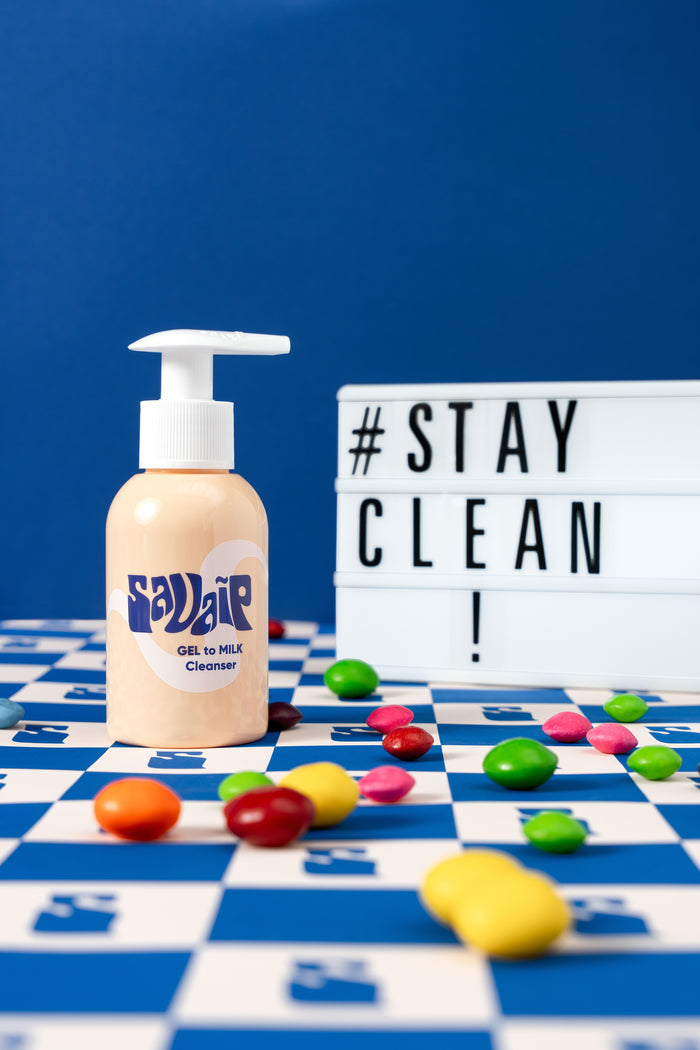
If you're looking for one designed with those needs in mind, SAVAIP® Gel-to-Milk Cleanser was created for sensitive, barrier-conscious skin. Its gentle transformation from gel to milk helps lift away sunscreen, excess oil, and daily impurities while respecting your skin's natural comfort.
If you're unsure whether your cleanser may be contributing to irritation, read Tight Skin After Cleansing: Is Your Cleanser Too Harsh?, where we explain the most common reasons skin feels uncomfortable after washing.
Step 2: Replace What Your Skin Is Losing
When the skin barrier becomes compromised, it loses more than water.
It also loses lipids that help keep moisture in and environmental irritants out.
Replacing only water isn't enough.
Healthy skin depends on ingredients that replenish hydration while supporting the skin barrier's natural structure.
Some of the best-studied barrier-supporting ingredients include:
• Ceramides
• Glycerin
• Panthenol (Vitamin B5)
• Beta-glucan
• Hyaluronic acid
These ingredients don't restore the skin barrier overnight.
Instead, they create an environment where skin can recover more comfortably over time.
Consistent care is usually far more effective than searching for a quick fix. Discover how these ingredients work together to support healthier, more resilient skin.
→ Read: Barrier Boosters: Ingredients That Hug Your Skin
Healthy Skin Often Needs Less, Not More
Healthy skin isn't about finding the strongest active ingredient.
It's about creating the right conditions for your skin to do what it already knows how to do.
Your skin is constantly renewing and repairing itself.
Sometimes it simply needs the opportunity to repair without constant disruption.
That may mean simplifying your routine, avoiding unnecessary experimentation, and giving your skin the consistency, it needs to function at its best.
When your skin feels overwhelmed, adding more products rarely helps. A simpler, more consistent routine often gives your skin the opportunity to recover naturally.
→ Read: Minimalist Skincare: Do You Really Need 10 Steps?
Step 3: Give Your Skin a Chance to Recover During a Flare-Up
When your skin becomes irritated, it's natural to want to keep treating the problem.
You may feel tempted to continue using products that promise brighter, smoother, or clearerlooking skin because you don't want to lose progress.
But when your skin barrier is already under stress, adding more active ingredients can sometimes make it harder for your skin to recover.
Instead, consider simplifying your routine until your skin feels comfortable again.
This may mean temporarily reducing products that place extra demands on your skin, such as exfoliating acids, retinoids, potent vitamin C treatments, or abrasive scrubs.
During this time, focus on the essentials: gentle cleansing, consistent hydration, and barriersupporting moisturization.
Once your skin feels calmer, you can usually reintroduce active ingredients gradually one product at a time, so it's easier to see how your skin responds.
Many people assume that irritation is simply part of using active skincare.
It isn't.
The condition of your skin barrier, the formulation of a product, and how often it's used all influence whether your skin adapts comfortably.
If you're rebuilding your routine after irritation, you may also enjoy reading Invisible Signs Your Skin Barrier Is Struggling where we explain some of the subtle changes that may suggest your skin needs a gentler approach.
Daily Habits That Quietly Protect Your Skin
Your skincare products matter.
Your daily habits matter just as much.
Small choices repeated consistently often have a greater impact than expensive treatments used occasionally.
Simple habits that help reduce unnecessary stress on your skin include:
• Shower with warm rather than hot water.
• Pat your skin dry instead of rubbing it.
• Moisturize while your skin is still slightly damp.
• Avoid changing products every week.
• Introduce only one new product at a time.
• Wear broad-spectrum sunscreen every day.
• Get enough sleep whenever possible.
• If possible, maintain comfortable indoor humidity during colder months.
None of these habits is dramatic.
Together, they create an environment where healthier skin becomes much easier to maintain.
Sometimes irritation isn't caused by a new product at all. It's the result of small stresses that gradually weaken your skin's natural resilience.
Learn why skin can suddenly react to products you've used comfortably for years.
→ Read: Why Your Skin Suddenly Reacts to Products You've Used for Years
When Should You See a Healthcare
Professional?
While many cases of temporary barrier damage improve with a simplified skincare routine,eczema often requires medical guidance.
Consider speaking with a dermatologist if:
• Itching interferes with sleep.
• Your skin becomes cracked or bleeds.
• Symptoms continue for several weeks.
• You notice signs of infection.
• Flare-ups become frequent.
• Over-the-counter skincare provides little relief.
A proper diagnosis helps ensure you're treating the underlying cause rather than only the
visible symptoms.
A Simple Barrier-Friendly Routine
When your skin feels overwhelmed, simplicity usually wins.
| Morning | Evening |
| Gentle cleanser | Gentle cleanser |
| Hydrating, barrier-supportive toner | Hydrating, barrier-supportive toner |
| Barrier-supporting moisturizer | Barrier-supporting moisturizer |
| Broad-spectrum SPF | Optional soothing mask 1–2 times weekly |
A Gentle Routine for Skin That Needs a Reset
When your skin feels irritated or uncomfortable, adding more products usually isn't the answer.
A gentle routine focused on cleansing, hydration, and barrier support often gives your skin the best opportunity to recover.
A simple routine may include:
Gently removes sunscreen, excess oil, and daily impurities without leaving skin feeling stripped.
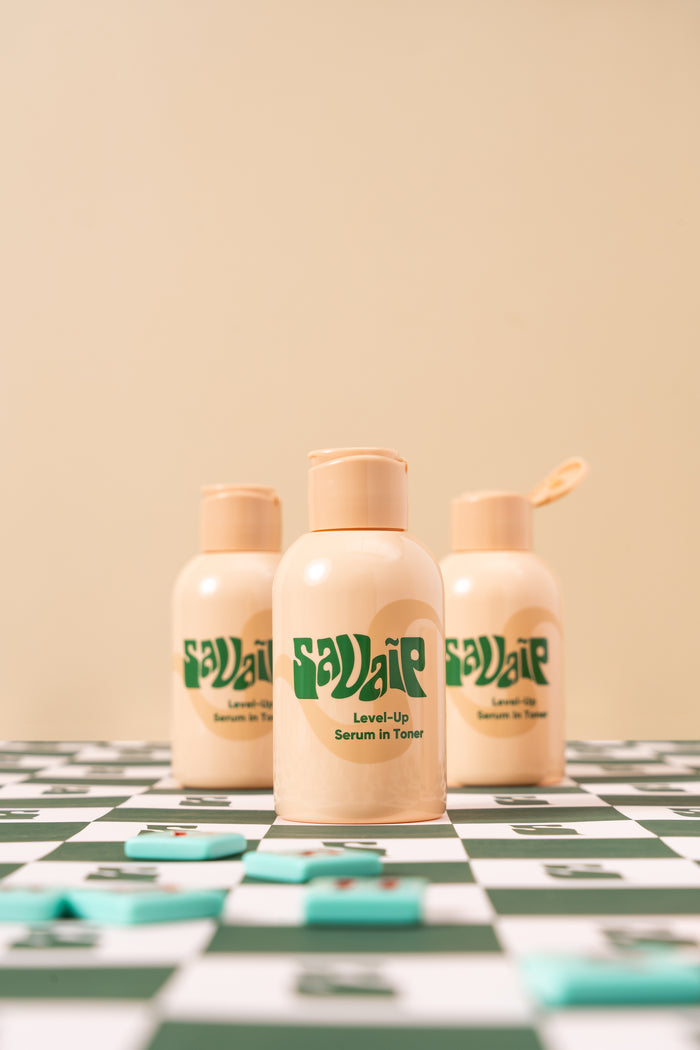
Provides lightweight hydration while preparing your skin for the rest of your routine.
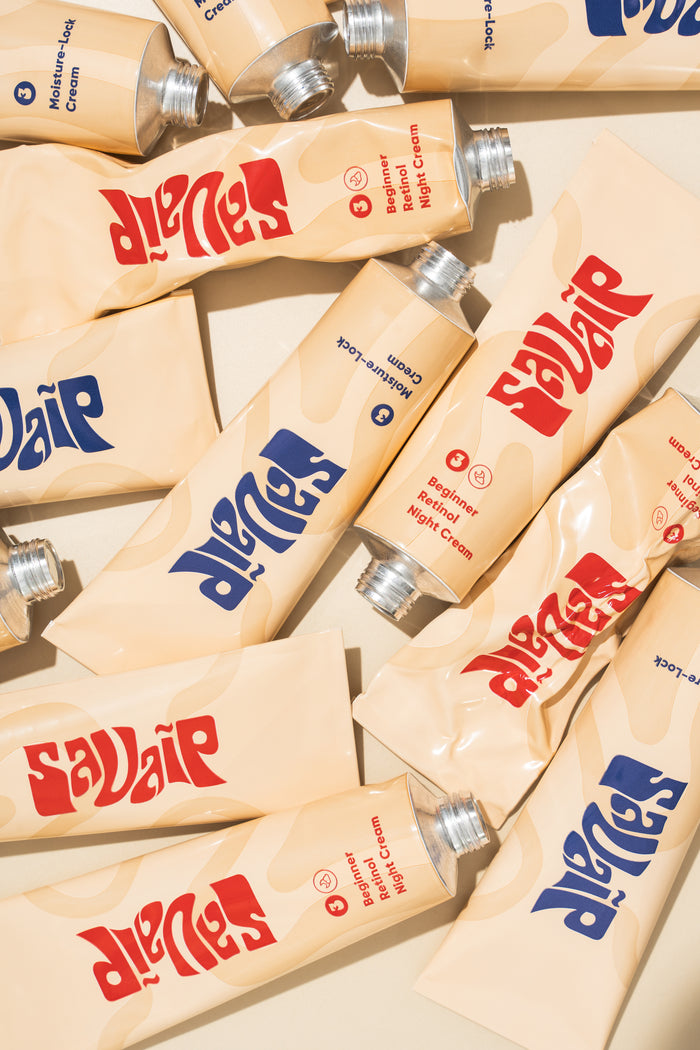
Helps lock in hydration and supports the skin barrier with a lightweight, comfortable finish.
✓ Multi-Soothing SOS Mask (1–2 evenings each week)
Offers an extra layer of soothing care whenever your skin feels especially stressed.
Explore the Sensitive Skin Routine rather than changing everything overnight, choose one gentle habit to improve this week.
Healthy routines are built gradually.
Frequently Asked Questions
Can skin barrier damage turn into eczema?
Not directly.
A damaged skin barrier doesn't cause eczema. However, people who are genetically predisposed to eczema often have an underlying barrier weakness, and ongoing barrier damage can contribute to flare-ups.
If your symptoms persist, become severe, or keep returning, it's important to seek medical advice rather than relying on skincare alone.
How long does it take for a damaged skin barrier to recover?
Recovery depends on what caused the damage and how irritated your skin has become.
Mild barrier disruption may begin to improve within a few days, while more significant damage can take several weeks, especially if the skin continues to be exposed to the same triggers.
The goal isn't to recover as quickly as possible.
It's to give your skin the consistent support it needs to heal comfortably.
Can I still use retinol if my skin barrier feels damaged?
In most cases, it's best to allow your skin barrier to recover before reintroducing retinoids.
Once your skin feels comfortable again, many people find success by introducing retinol gradually and using it less frequently at first.
If you're new to retinol or returning after irritation, our guide " How to use retinol in your
skincare routine: a simple, safe guide " explains how to build tolerance while respecting your skin barrier.
Still Unsure Whether Your Skin Barrier Has Recovered?
Many early signs of barrier stress are easy to overlook. Understanding them can help you know when your skin is ready for active ingredients again.
→ Read: Invisible Signs Your Skin Barrier Is Struggling
Does eczema always itch?
For most people, itching is one of eczema's defining symptoms.
A compromised skin barrier may feel tight, dry, sore, or sting, but persistent itching is generally more characteristic of eczema.
Only a healthcare professional can diagnose the cause of ongoing symptoms.
Is dry skin the same as a damaged skin barrier?
No. Dry skin is generally considered a skin type, whereas a damaged skin barrier is a temporary condition that can affect any skin type.
Someone with oily skin can still have a compromised skin barrier.
Likewise, someone with naturally dry skin may have a healthy barrier when it's supported with appropriate skincare.
Healthy Skin Begins With Small Choices
Your skin won't look exactly the same every day.
Weather changes.
Stress changes.
Seasons change.
Your skin responds to all of it.
Learning the difference between eczema and temporary skin barrier damage isn't about becoming your own dermatologist.
It's about recognizing when your skin is asking for care instead of correction.
There will be days when your routine feels effortless and days when your skin needs a little more patience.
Both are part of caring for sensitive skin.
Healthy skin isn't built by using more products or chasing quick results.
It's built through small, consistent choices that support your skin's natural ability to protect and repair itself.
Give your skin time.
Stay consistent.
Sometimes the gentlest approach is also the one that helps the most.
Final thoughts
If You're Looking for a Gentle Place to Start
When your skin feels sensitive, overwhelmed, or simply in need of a quieter routine, choosing products that prioritize skin comfort and barrier support can make a meaningful difference.
If Your Skin Is Asking for Less, Listen to It
Healthy-looking skin rarely comes from pushing harder.
It comes from supporting your skin with gentle cleansing, consistent hydration, and products that respect its natural barrier.
At SAVAIP®, every formula is thoughtfully developed for sensitive, reactive, and barrierconscious skin; helping you build a routine that feels calm, comfortable, and sustainable.
Explore Our Sensitive Skin Collection here.
Whether you're recovering from irritation or simply trying to keep your skin comfortable every day, thoughtful, consistent care creates the strongest foundation for healthy-looking skin.


