

Tight Skin After Cleansing: Is Your Cleanser Too Harsh?
Your skin should feel clean and comfortable after washing; not tight, dry or itchy. Many people interpret a post-wash “tight” sensation as a sign of effectiveness, but it usually means your cleanser has removed more than just dirt. Tight skin after cleansing signals that your barrier has lost too much natural moisture and protective lipids, leaving it vulnerable and reactive. In this article you’ll learn why it happens and how to adjust your routine so your skin feels balanced again.
Quick Q&A
• Why does my skin feel tight after cleansing? Because the cleanser (and sometimes the water) strips away too much of your skin’s natural moisture and lipids, weakening your barrier and increasing sensitivity.
• Is tight skin after washing normal? No. Healthy skin feels soft and comfortable after
cleansing; tightness is a warning sign that the cleanser may be too harsh.
• Should I stop washing my face? Not at all; gentle cleansing is essential. The goal is to
remove what your skin doesn’t need without disrupting its barrier.
What tight skin after cleansing really means
That tight, slightly dry feeling is a hallmark of over-cleansing or moisture loss. Your skin
naturally contains lipids (fats), natural moisturising factors (NMF) and water that keep it flexible and resilient. A harsh cleanser can remove too many of these components, leaving your skin less flexible, more sensitive and prone to irritation. Even water alone can have an effect: when the skin barrier comes into contact with water, it softens initially but as water evaporates afterward it can lead to tightness because natural oils are washed away.
Why your skin feels tight after washing
1. Your cleanser is too stripping
Some cleansers do more than remove dirt and excess oil; they strip away essential lipids and natural moisturising factors. This leaves your skin exposed, dehydrated and more reactive. Dermatologists caution that harsh cleansing can disrupt the skin barrier, leading to dryness and sensitivity.
2. Your skin type doesn’t need aggressive cleansing
Not all skin requires the same level of cleansing. If your skin is sensitive, dry or already
barrier-compromised, it benefits from minimal, gentle cleansing rather than deep stripping. Sensitive skin reacts quickly because its barrier; the natural shield that locks in moisture and keeps irritants out; is often compromised.
3. Water exposure alone can contribute
Prolonged or hot water exposure increases moisture evaporation and disrupts the skin’s hydration balance. Long, steamy showers may feel relaxing but they can lead to a tight, dry feeling as natural oils wash away.
4. You’re cleansing too often
Cleansing multiple times, a day repeatedly disrupts your barrier and prevents your skin from stabilizing. Less is often more; especially if you have sensitive skin.
5. Your skin barrier is already weakened
If your skin is already compromised from over-exfoliation, actives or environmental stressors, even mild cleansing can feel drying. In that case, focus on barrier repair first and choose ultra-gentle products.
How to know if your cleanser is too harsh
Signs that your cleanser may be causing damage include:
• Tightness after washing
• Dry patches or flakiness
• Redness or itching
• Increased sensitivity
• Feeling worse, not better, after cleansing
What a healthy cleanse should feel like
After cleansing, your skin should feel comfortable, soft and balanced, not tight or irritated. Use this simple feeling test: if you feel like you need to rush for moisturiser to relieve discomfort, your cleanser is probably too harsh.
How to fix tight skin after cleansing
Step 1. Switch to a barrier-friendly cleanser
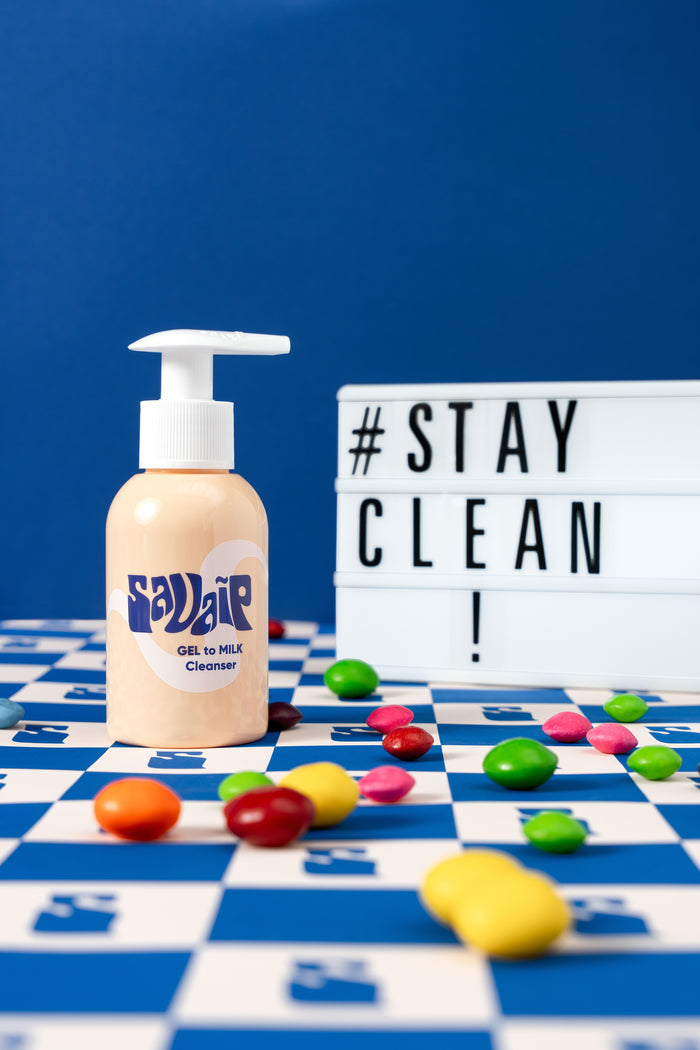
Choose low-foam or non-foaming textures with hydrating ingredients and minimal formulas. A soothing cleanser should remove impurities without stripping natural oils. Our Gel-to-Milk Cleanser is enriched with Oat Extract and Allantoin and is designed to cleanse while calming the skin.
Step 2. Cleanse less, not more
For many people, cleansing once per day in the evening is essential, while a morning cleanse is optional. Splashing your face with lukewarm water or using a toner can suffice in the morning.
Step 3. Shorten contact time
You don’t need to cleanse for long; 10–20 seconds of gentle massage is enough to dislodge impurities without overworking your barrier.
Step 4. Avoid hot water
Hot water strips lipids and increases dryness. Use lukewarm water instead to minimize barrier disruption.
Step 5. Support your skin immediately after
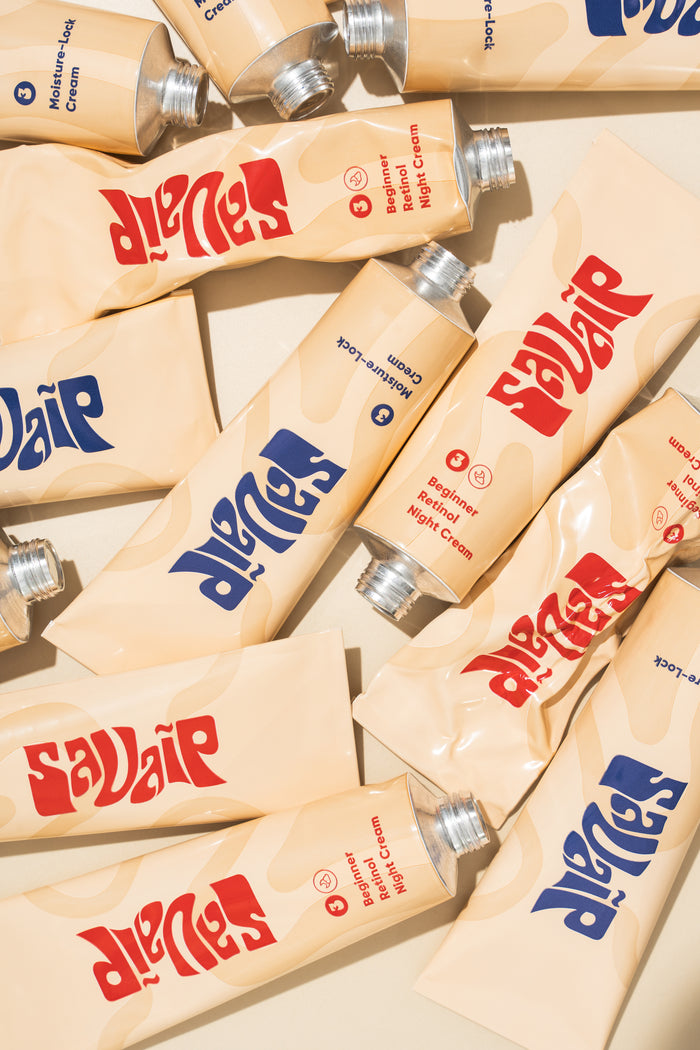
Follow cleansing with a simple, barrier-supportive moisturiser. A cream with Ceramide NP, Panthenol and Glycerin strengthens your barrier and locks in hydration. We recommend our Moisture-Lock Cream, which is packed with these ingredients to repair and protect sensitive skin.
Common mistakes that make tightness worse
• Using foaming cleansers aggressively
• Over-cleansing throughout the day
• Scrubbing the skin or using rough cloths
• Washing with hot water
• Forgetting to moisturise after cleansing
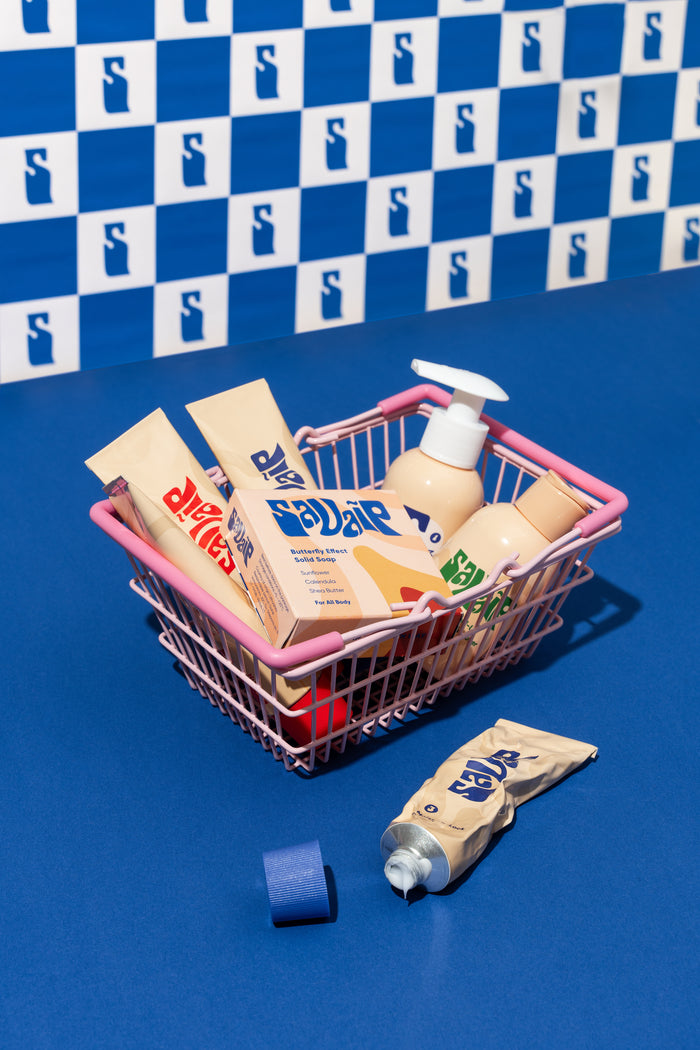
Why choose SavaipSkin for gentle cleansing
SavaipSkin is devoted to sensitive, barrier-damaged and post-acne skin. Our products are fragrance-free, alcohol-free, sensitive-skin friendly and microbiome friendly. The
Gel-to-Milk Cleanser sweeps away makeup and impurities with Oat Extract and Allantoin while preserving hydration, and the Moisture-Lock Cream replenishes lipids with Ceramide NP and Panthenol. Pairing a gentle cleanser with a barrier-supportive moisturiser allows your skin to stay balanced, resilient and comfortable.
Conclusion
Clean skin should feel comfortable; not tight. A tight, dry feeling after washing isn’t a sign of effectiveness; it’s a sign that your skin needs a gentler approach. By choosing a soothing cleanser, cleansing less often, avoiding hot water and following up with barrier-supportive moisture, you allow your skin to remain hydrated and calm.
FAQs
• Is tight skin after washing normal? No. It usually means your cleanser is removing too much moisture.
• Should I stop using foaming cleansers? Not always, but if your skin feels tight, switching to a gentler formula can help.
• Can a cleanser damage your skin barrier? Yes. over-cleansing or harsh formulas can weaken your barrier over time.
Ready to switch to a cleanser that respects your skin? Explore gentle skincare and build a
barrier-friendly routine that keeps your skin balanced and happy.


