

Ceramides vs. Peptides vs. Squalane: Which Skin Barrier Ingredient Does Your Skin Really Need?
If you've ever compared two moisturizers and wondered why one highlights ceramides while another focuses on peptides or squalane, you're not alone.
The skincare world loves ingredient lists. Every year, a different one seems to become the ingredient everyone is talking about. Before long, it can feel as though you're supposed to choose a side.
Should you buy ceramides?
Are peptides only for wrinkles?
Is squalane just another facial oil?
The answer is much simpler than skincare marketing often makes it seem.
These ingredients aren't competing with one another. They're solving different problems.
That's why asking "Which one is best?" isn't always the most helpful question.
A better question is:
"What is my skin trying to tell me?"
For example, skin that feels tight after cleansing has different needs than skin that's beginning to lose firmness. Likewise, skin that looks oily can still be dehydrated beneath the surface.
Understanding those differences is far more useful than memorizing ingredient names.
Your skin doesn't know what's trending.
It only responds to what touches it every day.
Once you understand what ceramides, peptides, and squalane actually do, choosing skincare becomes much less overwhelming; and much more intentional.
By the end of this guide, you'll understand:
• What each ingredient does (and doesn't do)
• Which skin concerns each ingredient is best suited for
• Whether they work well together
• How to build a simple routine around your skin's needs rather than marketing claims
Because healthy skin rarely comes from finding one perfect ingredient.
It usually comes from understanding how different ingredients work together.
Why Ingredient Comparisons Feel So Confusing
One moisturizer promises to "repair the skin barrier."
Another says it "boosts collagen."
A third claims to provide "deep hydration."
If they all promise healthier-looking skin, how are you supposed to know which one is actually right for you?
Part of the confusion comes from the way skincare products are marketed.
Different ingredients can lead to similar results; but they take different paths to get there.
Imagine your skin as a well-built home.
The bricks represent your skin cells.
Now think about everything that keeps that home strong.
The mortar holds the bricks together.
The roof protects what's inside.
Regular maintenance keeps the structure in good condition over the years.
None of those jobs are more important than the others.
They simply have different responsibilities.
Your skin works in much the same way.
Ceramides, peptides, and squalane all contribute to healthier-looking skin; but each supports it differently.
Understanding those roles makes it much easier to choose products with confidence rather than simply following the latest trend.
A Quick Comparison
If you're looking for the short answer, here's where each ingredient shines.
| If your skin... |
The ingredient to consider first |
Why |
| Feels tight or easily irritated | Ceramides |
Help reinforce the skin barrier and reduce moisture loss. |
| Is beginning to lose firmness | Peptides |
Support the skin's natural renewal processes. |
| Feels dry or uncomfortable during the day | Squalane |
Helps soften the skin and reduce water loss. |
| Is both sensitive and dehydrated | Ceramides + Squalane | Barrier support plus lasting comfort. |
| Needs an overall healthy routine | All three | They work together rather than replacing one another. |
The important thing to remember is this:
You don't have to choose a "winner."
Healthy skin is rarely the result of one hero ingredient.
Healthy skin is rarely the result of one hero ingredient.
More often, it's the result of a routine where every product has a clear purpose.
If your skin feels oily and dry at the same time, you may be dealing with dehydration rather than excess oil. Our guide on Why Your Skin Feels Greasy but Dehydrated explains why this happens and what you can do about it.
Your Skin Doesn't Need Every Trending Ingredient
One of the biggest myths in skincare is that healthy skin comes from collecting the "best" ingredients.
It doesn't.
Your skin doesn't keep score.
It doesn't care whether a moisturizer contains the latest viral ingredient or the most luxurious botanical extract. What it does care about is whether its everyday needs are being met.
Sometimes that means repairing a weakened barrier.
Sometimes it means holding onto water more effectively.
Sometimes it simply means making the skin feel comfortable again.
That's where ceramides, peptides, and squalane come in.
Although they're often mentioned together, each one supports your skin in a completely different way.
Let's start with the ingredient that's often described as the foundation of a healthy skin barrier.
Ceramides: The Ingredient Your Skin Already Knows
Here's something that surprises many people.
Ceramides aren't an ingredient your skin has to "learn" how to use.
Your skin already makes them.
In fact, ceramides are naturally found within the outermost layer of healthy skin, where they help keep skin cells tightly connected.
Think of your skin barrier as a carefully built stone path.
The stones are your skin cells.
Ceramides fill the tiny spaces between them, helping everything stay in place.
When enough ceramides are present, your skin is better able to keep moisture where it belongs while making it more difficult for external irritants to get in.
When ceramide levels begin to decline, those tiny gaps become easier to notice; not because you can see them, but because you can feel them.
Your moisturizer suddenly doesn't seem as effective.
Your skin feels tight soon after cleansing.
Cold weather becomes uncomfortable.
Products you've used for months begin to sting.
These are often signs that your skin barrier needs a little more support.
Why Do Ceramide Levels Decrease?
Our skin naturally changes over time.
Ceramide levels may gradually decline because of:
• Age
• Cold or dry climates
• Over-cleansing
• Frequent exfoliation
• Certain skin conditions, including eczema
• Overusing strong active ingredients before the skin is ready
Notice that most of these aren't problems caused by your skin.
They're the result of everyday life.
Sometimes your barrier simply needs a chance to recover.
Healthy skin isn't skin that never reacts.
It's skin that recovers well.
That's an important difference.
What Ceramides Actually Do
Ceramides are often described as "hydrating."
That's only partly true.
They don't add water to your skin.
Instead, they help your skin keep the water it already has.
Imagine trying to fill a bucket with a small hole in the bottom.
You could keep pouring in more water.
Or...
You could repair the hole.
Ceramides help repair the "hole."
That's why they're especially valuable in routines designed for:
• Dry skin
• Sensitive skin
• Dehydrated skin
• A weakened skin barrier
• Skin recovering after over-exfoliation
• Skin adjusting to stronger active ingredients
For many people, improving the skin barrier changes how every other skincare product performs.
A Gentle Place to Start
Before thinking about serums or treatments, it often helps to ask a simpler question:
Is my cleanser helping my skin or asking it to work even harder?
A cleanser that leaves your face feeling squeaky clean may also be removing some of the lipids your skin naturally relies on.
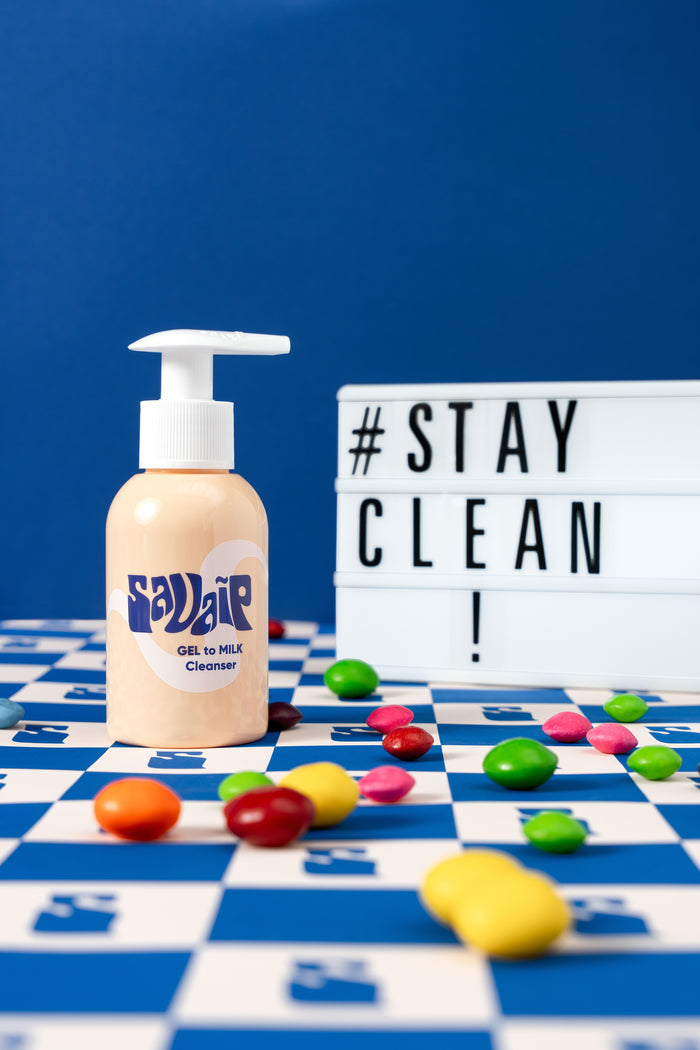
That's one reason many people with sensitive or easily dehydrated skin choose to begin with a gentle, barrier-conscious cleanser.
If you've recently noticed that your skin feels more reactive than it used to, you might also enjoy reading our guide on Why Skin Barrier Repair Is More Important Than Ever (And How to Do It Right) or Whether You Have Eczema or Not, which explains why healthy skin sometimes needs fewer products rather than more.
If Ceramides Build the Barrier, What Do Peptides Do?
This is where ingredient comparisons often become confusing.
People sometimes assume peptides are a "better" version of ceramides because they're frequently associated with firmer-looking skin.
But that's a little like saying a window is better than a door.
They're simply designed for different jobs.
Unlike ceramides, peptides don't become part of your skin barrier.
Instead, they're short chains of amino acids that act as messengers, helping support your skin's natural renewal processes.
Think of them as quiet communicators.
They're not rebuilding your skin overnight.
They're helping guide the work your skin is already designed to do.
That's why peptides are often included in routines focused on maintaining smoother, healthier-looking skin over time; not because they replace collagen, but because some peptides have been studied for their ability to support the skin's natural functions.
It's a slower story.
And that's perfectly okay.
Healthy skin has never been in a hurry.
You've probably noticed something interesting.
Some people use a ceramide moisturizer every day...
...and still say their skin feels dry by the afternoon.
That doesn't necessarily mean ceramides aren't working.
It may simply mean your skin needs something different as well.
This is where squalane enters the picture.
Squalane Doesn't Replace Ceramides; It Complements Them
One of the biggest misunderstandings in skincare is assuming that ingredients with similar results must work in the same way.
Ceramides and squalane are a perfect example.
Both can help skin feel softer.
Both can support a healthier-looking skin barrier.
Both are often recommended for dry or sensitive skin.
But they're doing completely different jobs.
Ceramides strengthen the structure of the barrier.
Squalane helps make that barrier feel more comfortable throughout the day.
Think about wearing a warm winter coat.
The coat keeps you warm.
Adding a scarf doesn't replace the coat.
It simply helps you stay comfortable in places where cold air still finds its way in.
Squalane works much the same way.
It's a lightweight emollient that smooths the surface of the skin and helps slow down moisture loss.
That matters because skin doesn't become dehydrated all at once.
It loses tiny amounts of water throughout the day.
Helping slow that process can leave skin feeling softer, calmer, and more comfortable.
"But Isn't Squalane Just an Oil?"
It's a fair question.
The word oil makes many people nervous especially if they already have combination or oily skin.
But squalane behaves differently from many traditional facial oils.
It's lightweight.
It absorbs quickly.
And because it's structurally similar to lipids naturally found in healthy skin, many people find it comfortable even when they don't usually enjoy oil-based products.
That's why you'll often see it recommended for a wide range of skin types; not only dry skin.
In fact, people with oily skin are sometimes surprised by how much they enjoy squalane.
Why?
Because oiliness and dehydration are not opposites.
Your skin can produce excess oil while still struggling to hold onto water.
If that idea sounds familiar, you might enjoy our article Why Your Skin Feels Greasy but Dehydrated,where we explore why these two concerns often appear together.
SAVAIP Moment
Sometimes your skin produces more oil because it's trying to cope; not because it's comfortable.
So... Where Do Peptides Fit Into All of This?
At this point, you might be thinking:
"If ceramides support the barrier and squalane helps reduce moisture loss... where exactly do peptides fit?"
It's a good question.
Because peptides don't really belong in either category.
They aren't barrier lipids.
They aren't moisturizers.
They're something else entirely.
Instead of becoming part of the skin, peptides act more like tiny communicators.
They're short chains of amino acids that help send signals involved in your skin's natural renewal processes.
That's why they're often included in skincare designed to support smoother- and firmer-looking skin over time.
Notice the wording.
Support.
Not create.
Not replace.
And certainly not reverse time.
Healthy skin doesn't respond well to unrealistic promises.
It responds to consistency.
The Quiet Ingredient
Peptides don't usually give you the dramatic first impression that exfoliating acids or retinoids sometimes do.
You probably won't wake up after one night thinking,
"Wow, my skin looks completely different."
Instead, they're the kind of ingredient people appreciate after weeks or months of regular use.
They're quiet.
Steady.
Patient.
In many ways, they're the opposite of trend-driven skincare.
And that's part of their appeal.
Which Ingredient Is "Best"?
This is usually the point where comparison articles announce a winner.
We're not going to do that.
Because there isn't one.
Asking whether ceramides are better than peptides is a little like asking whether foundations are more important than windows when building a house.
It depends on what the house needs.
The same is true for your skin.
If your barrier feels compromised, ceramides may deserve your attention first.
If your skin feels comfortable but you're looking to support firmness over time, peptides may become more relevant.
If dehydration is making your skin feel uncomfortable during the day, squalane may be the missing piece.
Different concern.
Different solution.
At a Glance: Which Ingredient Does What?
| Your Skin Is Telling You... | Consider... | Why It Helps |
| "I feel tight after cleansing." | Ceramides | Help reinforce the skin barrier and improve moisture retention. |
| "My skin feels dry again by lunchtime." |
Squalane | Helps reduce moisture loss and leaves skin feeling comfortable. |
| "I'm beginning to notice changes in firmness." |
Peptides | Support the skin's natural renewal processes over time. |
| "Honestly... it's a bit of everything." |
A combination of all three |
Each ingredient contributes something different to overall skin health. |
One of the most reassuring things about skincare is that you don't have to choose one ingredient forever.
Your skin changes with the seasons.
It changes with age.
It changes with stress, climate, and lifestyle.
A good routine changes with it.
Internal Link Opportunity
If you're beginning to simplify your routine because your skin has become more reactive, our guide Destress your skin: holistic approaches to a calm complexion explains why reducing irritation is often more helpful than adding more products.
Building a Routine Around Your Skin; Not Around Trends
Once you understand what each ingredient does, building a routine becomes much less complicated.
You stop asking,
"Which ingredient is the best?"
And you start asking,
"What does my skin need today?"
That small shift changes everything.
Some mornings your skin may simply need hydration.
During winter, it might appreciate a little more barrier support.
After trying a stronger active ingredient, it may need time to recover rather than another treatment.
The goal isn't to own every skincare ingredient.
It's to understand which ones deserve a place in your routine; and why.
A Simple Routine That Supports the Skin Barrier
Healthy skin rarely comes from a complicated routine.
In fact, when skin becomes stressed, doing less is often the most helpful thing you can do.
Morning
Step 1: Cleanse Gently
Not everyone's skin needs a full cleanse first thing in the morning.
If your skin feels comfortable, lukewarm water may be enough.
If you prefer to cleanse, choose a formula that removes overnight oil without leaving your skin feeling stripped.
A good cleanser shouldn't make your face feel "squeaky clean."
It should leave it feeling comfortable.
Step 2: Replenish Water
Hydration works best when it's added before the skin begins to feel dry.
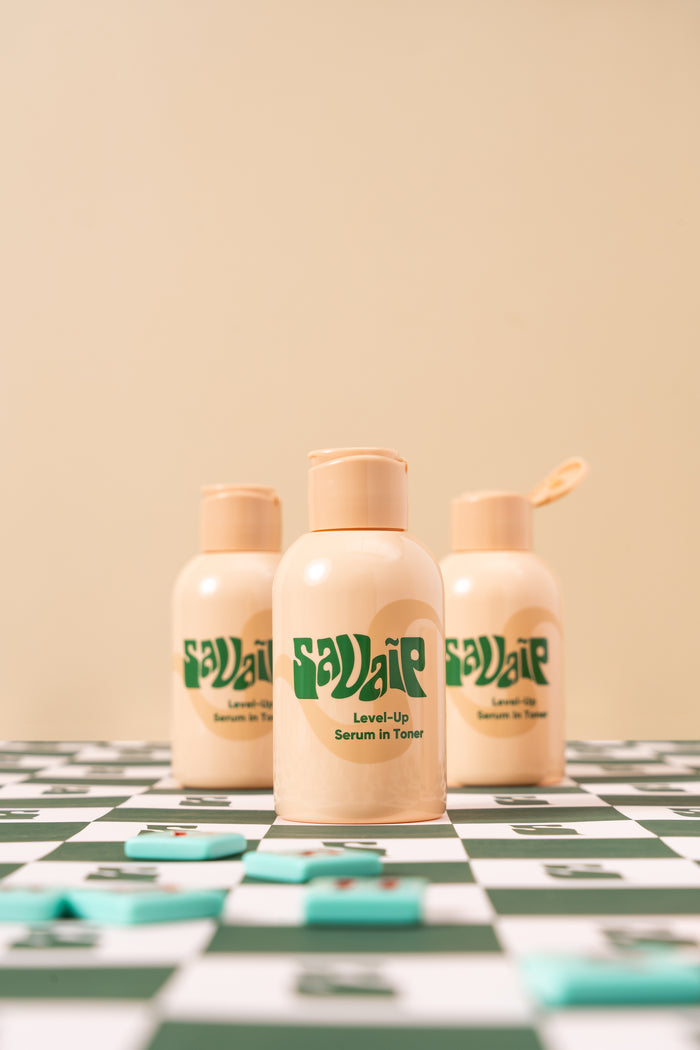
Applying a lightweight hydrating toner after cleansing can help prepare your skin for the moisturizer that follows.
Step 3: Lock In Comfort
Now it's time to support everything you've just added.
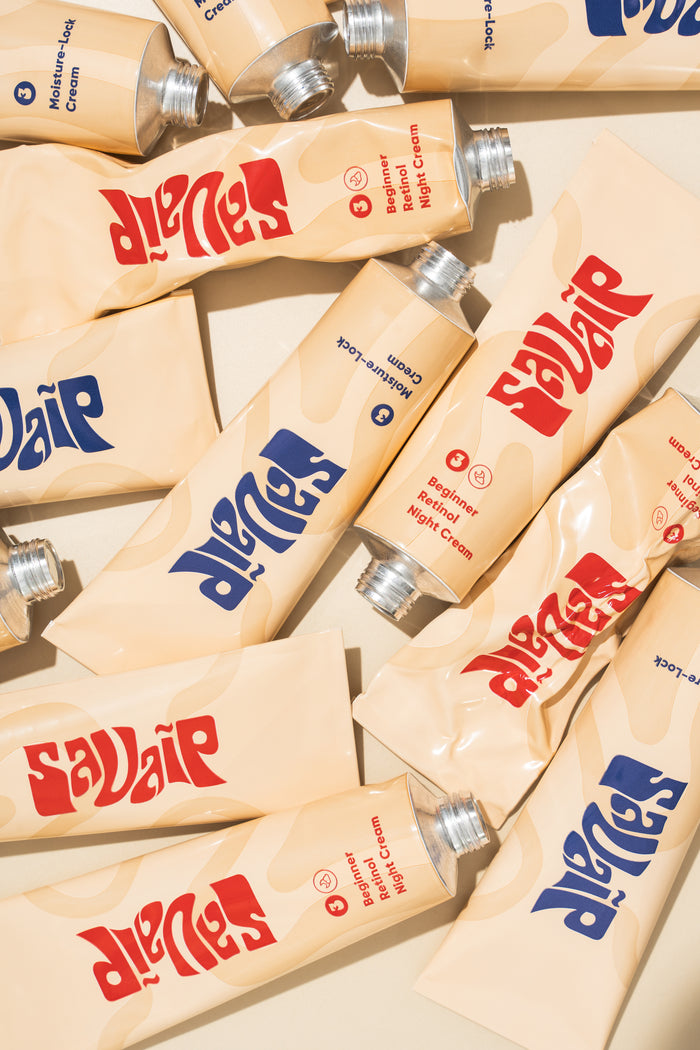
A moisturizer containing barrier-supportive ingredients helps reduce moisture loss throughout the day while keeping skin feeling comfortable.
For many people, lightweight formulas are enough.
Others may prefer a richer cream during colder months.
The best texture is the one you'll enjoy using consistently.
Step 4: Finish With Sunscreen
If there's one skincare habit that pays off year after year, it's daily sun protection.
Healthy skin isn't only about repairing damage.
It's also about helping prevent unnecessary damage in the first place.
Evening
Evening routines don't need to be dramatically different.
They simply give your skin another opportunity to recover from the day.
A gentle cleanse.
Hydration.
Barrier support.
That's enough for many people.
When your skin feels particularly dry, tired, or reactive, an occasional soothing treatment can provide extra comfort.
SAVAIP Moment
The healthiest skincare routine is often the one you stop thinking about.
It fits naturally into your day, your skin feels comfortable, and you no longer wake up wondering what went wrong overnight.
Frequently Asked Questions
Which ingredient should I buy first?
If your skin feels dry, tight, or easily irritated, start by supporting your skin barrier.
For many people, that means beginning with ceramides.
Once your skin feels more comfortable, ingredients such as peptides or squalane can become valuable additions depending on your goals.
Can I use ceramides, peptides, and squalane together?
Yes.
Because they perform different roles, they're commonly combined in the same skincare routine.
Think of them as teammates rather than competitors.
Is squalane suitable for oily skin?
Often, yes.
Despite being an oil, squalane is lightweight and generally well tolerated by many skin types, including oily and combination skin.
The key is choosing a formula that's well balanced for your skin.
Are peptides only for mature skin?
Not at all.
While they're often associated with firmer-looking skin, peptides can also be part of a routine focused on maintaining healthy skin over time.
Skincare doesn't have to wait until a certain birthday.
My skin feels oily but tight. Which ingredient should I choose?
That combination is more common than many people realize.
Before assuming your skin is simply oily, it may be worth understanding the difference between oil and hydration.
Our guide on Why Your Skin Feels Greasy but Dehydrated explains why both can exist at the same time.
Do I need all three ingredients?
Not necessarily.
Your routine should reflect your skin's needs; not a checklist of popular ingredients.
Many people benefit from a combination of ceramides, peptides, and squalane, but not everyone needs all three at once.
The Takeaway
Your skin changes. With the seasons.With age.With stress.Sometimes even with a single week of too little sleep.So it makes sense that your routine changes too. The most effective skincare routines aren't built around chasing the newest ingredient or following every trend that appears online. They're built around paying attention. Paying attention to how your skin feels after cleansing. To whether it stays comfortable throughout the day. To whether it's asking for more... or perhaps a little less. Ceramides, peptides, and squalane each have something valuable to offer.Not because they're fashionable.Because they solve different problems. And understanding those differences is often the first step toward healthier, more resilient skin.
A Gentle Place to Start
If reading this guide has made you realize that your skin may be asking for more barrier support, don't feel as though you need to replace your entire routine.
Small changes are often the ones that last.
Start with a gentle cleanser.
Keep your skin comfortably hydrated.
Choose a moisturizer that supports your barrier rather than overwhelming it.
And give your skin time.
Healthy skin is rarely built overnight.
But it is built through small, consistent choices that help your skin feel supported; today, tomorrow, and long after the latest skincare trend has faded.
If you're looking for a gentle place to begin, explore SAVAIP's barrier-focused essentials:
• Gel-to-Milk Cleanser
• Plump-Glow Milky Toner
• Water-Lock Gel Cream
• Multi-Soothing SOS Mask
Each one is designed with the same philosophy that guided this article:
Support your skin. Don't fight it.


