

Retinol for Beginners with Sensitive Skin: Why Encapsulated Retinol Changes Everything
If you have sensitive skin, you've probably heard two very different things about retinol.
One is that it's one of the most effective ingredients in skincare recommended by dermatologists for improving skin texture, softening the appearance of fine lines, fading post-acne marks, and supporting healthier-looking skin over time.
The other is that it can leave your skin red, dry, flaky, and uncomfortable. When these two messages collide, it's easy to understand why so many people hesitate to try retinol at all. At SAVAIP®, we believe the conversation deserves more nuance.
Retinol isn't inherently "too harsh" for sensitive skin. In many cases, what determines your experience isn't just the ingredient itself, but how it's formulated, how it's introduced into your routine, and how well your skin barrier is supported along the way.
Thanks to advances in skincare science, modern encapsulation technology has made retinol more approachable than ever before. By delivering the ingredient gradually rather than all at once,encapsulated retinol helps reduce the sudden exposure that often contributes to irritation; allowing many people with sensitive skin to experience its benefits more comfortably.
If you've been avoiding retinol because of your skin's sensitivity or because of a previous disappointing experience; this guide is for you.
We'll explain what retinol actually does, why traditional formulas sometimes cause irritation, how encapsulated retinol works differently, and how to introduce it into your routine with confidence.
Why Retinol Has Earned Its Reputation
Few skincare ingredients have been studied as extensively as retinol.
A derivative of vitamin A, retinol has been used for decades because of its ability to support the skin's natural renewal process. Rather than creating an instant transformation, it works gradually,encouraging skin to renew itself more efficiently while supporting collagen production over time.
With consistent use, retinol may help:
• Improve uneven skin texture
• Reduce the appearance of post-acne marks
• Support firmer-looking skin
• Soften the appearance of fine lines
• Promote a more even-looking complexion
• Improve overall skin clarity
One of the reasons retinol remains so highly regarded is that it doesn't target just one concern.Instead, it supports several aspects of skin health simultaneously, making it a valuable addition to many long-term skincare routines.
But it's important to remember that retinol isn't designed to deliver overnight results.
Healthy skin changes gradually. Just as building strength through exercise requires consistency rather than intensity, achieving visible improvements with retinol depends on using it regularly and giving your skin time to adapt.
Why Sensitive Skin Often Struggles With Retinol
Although retinol is widely respected, it's also known for causing irritation, especially during the first few weeks of use.
This has led many people to believe that sensitive skin simply can't tolerate retinol.
In reality, the situation is often more complex.
Traditional retinol formulas typically release the active ingredient rapidly after application. For resilient skin, this may not present a significant problem. For sensitive or barrier-compromised skin, however, that sudden exposure can feel overwhelming.
Instead of adapting comfortably, the skin may respond with:
• Redness
• Dryness
• Tightness
• Flaking
• Temporary sensitivity
• Mild breakouts during the adjustment period
Experiencing these reactions doesn't necessarily mean retinol isn't suitable for you.
Often, it means your skin barrier wasn't given enough support or that the formulation delivered more retinol than your skin was ready to handle at once.
This distinction matters because it shifts the conversation from asking:
"Can my skin tolerate retinol?"
to asking:
"Can my skin tolerate this particular retinol formula?"
For people with sensitive skin, the answer often depends on the delivery system rather than the ingredient alone.
The Skin Barrier: Your Skin's First Line of Support
At SAVAIP®, every conversation about active ingredients begins with one essential question:
How healthy is your skin barrier?
Your skin barrier is the outermost layer of your skin. Its role is to help retain moisture while protecting your skin from environmental stressors, irritants, and excessive water loss.
When it's functioning well, your skin feels balanced, comfortable, and resilient.
When it's compromised, even gentle products may begin to sting, dryness can become more noticeable, and active ingredients such as retinol may feel far more intense than they otherwise would.
This is why strengthening the skin barrier isn't separate from using retinol; it is part of using retinol successfully.
Supporting your skin with gentle cleansing, consistent hydration, and barrier-focused ingredients creates the foundation that allows active ingredients to work more comfortably.
Because healthy skin isn't built by challenging your barrier.
It's built by supporting it.
Why Encapsulated Retinol Is Different
This is where advances in formulation have made a meaningful difference.
Encapsulated retinol doesn't change what retinol is.
It changes how your skin experiences it.
Instead of allowing retinol to interact with your skin immediately after application, encapsulation surrounds the ingredient with microscopic lipid-based carriers.
These protective structures gradually release retinol over time, helping to reduce the sudden exposure that often contributes to irritation while maintaining the ingredient's effectiveness.
Think of it like watering a plant.
Pouring an entire bucket of water onto dry soil all at once often causes much of it to run off before it can be absorbed.
Watering slowly allows moisture to penetrate the soil more evenly, giving the roots time to take in what they need.
Encapsulated retinol works in a similar way.
By delivering the ingredient gradually, it helps your skin adapt more comfortably while still supporting the long-term benefits retinol is known for.
This slower release also helps improve ingredient stability, protecting retinol from degradation caused by light and oxygen before it reaches your skin.
For beginners and especially for people with sensitive skin; this difference can completely change the retinol experience.
Understanding Retinization: What to Expect
Even with a beginner-friendly formula, your skin may need time to adjust when introducing retinol. This adjustment period is known as retinization.
As retinol encourages skin cell turnover, your skin begins adapting to a faster renewal cycle.During this time, some people may notice mild dryness, slight flaking, or temporary sensitivity.Others may experience a few small breakouts as underlying congestion comes to the surface more quickly.
While these changes can feel discouraging, they don't happen to everyone, and they don't necessarily mean the product isn't working. In most cases, retinization is temporary and gradually improves as your skin becomes more accustomed to retinol.
The key is not to rush the process.
Increasing application too quickly or combining retinol with multiple active ingredients at the same time may place unnecessary stress on your skin barrier. A slow, consistent approach usually delivers better long-term results than trying to accelerate progress.
If your skin feels tight or dry during the adjustment period, focus on supporting your barrier with hydrating, nourishing products. Healthy, comfortable skin is far more likely to respond well to active ingredients over time.
When Should You Start Using Retinol?
There isn't a single "right" age to start using retinol. Instead, the decision depends on your skin concerns and your long-term skincare goals.
Early 20s
If you're dealing with post-acne marks, uneven texture, or recurring congestion, retinol can help support smoother, clearer-looking skin. At this stage, consistency is far more important than choosing a high-strength formula.
Mid-20s to 30s
Many people introduce retinol during this stage to help support collagen production and maintain smoother, firmer-looking skin before visible signs of ageing become more pronounced.
30s and Beyond
Retinol often becomes a cornerstone of a long-term skincare routine, helping improve skin texture,uneven pigmentation, and the appearance of fine lines while supporting healthier-looking skin overall.
Regardless of your age, your skin barrier should always guide your routine. Starting gently and allowing your skin time to adapt is often the most effective approach.
How Different Skin Types Can Benefit
Retinol isn't reserved for one skin type. With the right formulation and a gradual introduction,many skin types can benefit from it.
Sensitive Skin
Sensitive skin often benefits most from encapsulated retinol because its gradual-release technology helps minimize irritation while allowing the skin to adjust more comfortably. Begin by applying it two or three evenings each week and increase frequency only if your skin remains comfortable.
Post-Acne and Hyperpigmentation-Prone Skin
Retinol supports skin renewal, making it a valuable addition for those looking to improve the appearance of lingering post-acne marks and uneven skin tone. Results develop gradually, so patience and consistency are essential.
Oily and Combination Skin
These skin types may tolerate retinol more easily and often adapt more quickly. However, introducing it gradually remains important to help maintain a healthy skin barrier.
Dry Skin
Dry skin may experience increased tightness during the first few weeks of retinol use. Pairing retinol with barrier-supporting hydration can help maintain comfort while your skin adjusts.
A Beginner-Friendly Retinol Routine
One of the most common misconceptions about retinol is that using more will produce faster results.
In reality, successful retinol use is about building a routine your skin can comfortably maintain.
A simple evening routine might look like this:
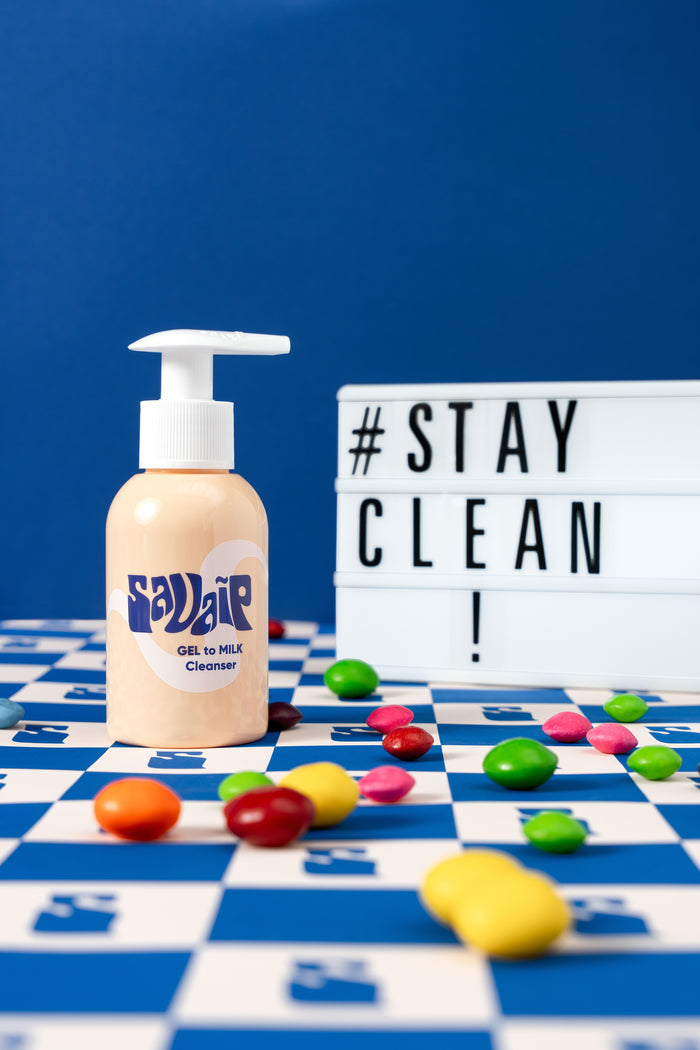
- Cleanse with the Gel-to-Milk Cleanser to remove impurities while respecting your skin barrier.
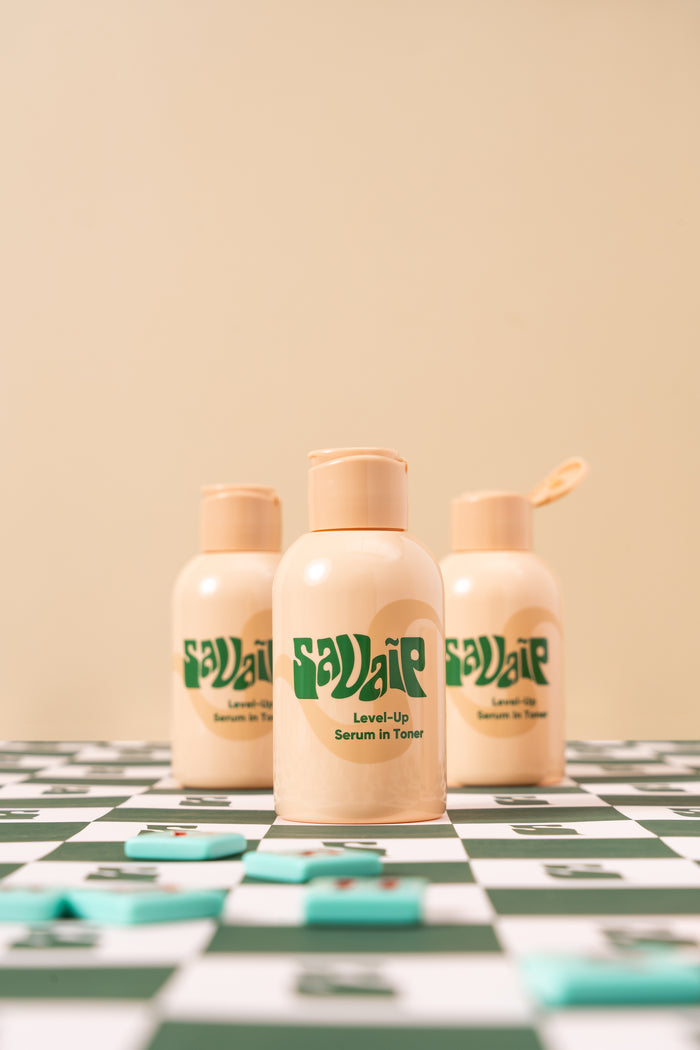
- Hydrate with the Plump-Glow Milky Toner to replenish moisture and prepare your skin.
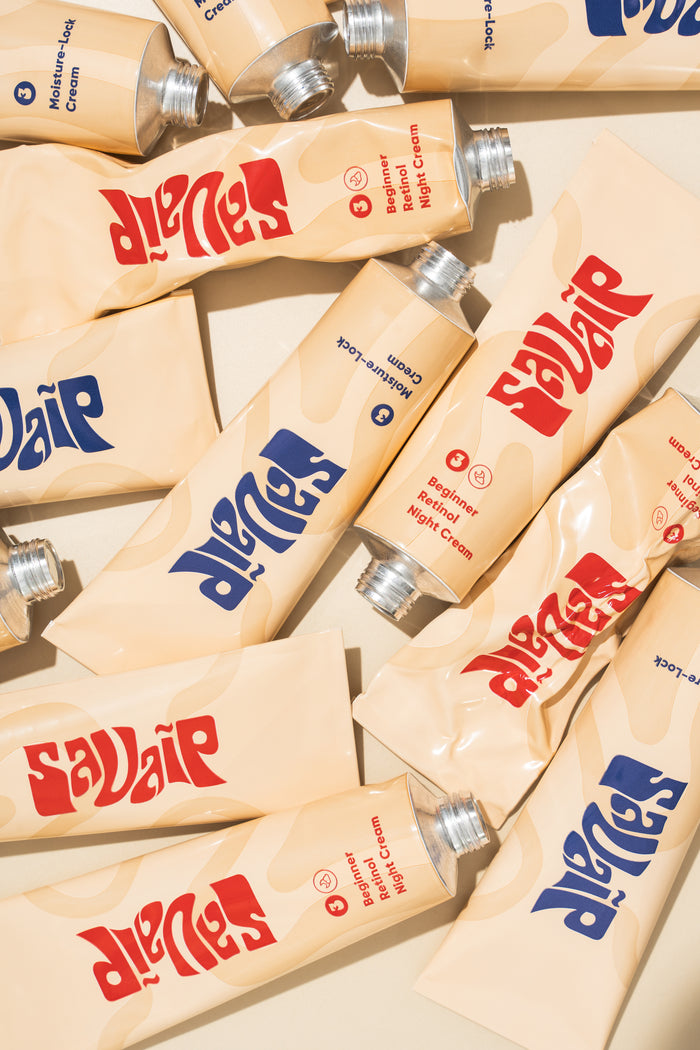
- Treat with the Beginner-Retinol Night Cream, applying a pea-sized amount to clean, dry skin.
- Moisturizer with the Water-Lock Gel Cream if your skin needs additional hydration and barrier support.
Begin by using retinol two or three evenings each week for the first two to four weeks. If your skin remains comfortable, you can gradually increase the frequency.
Remember, there is no prize for using retinol every night. The best routine is the one your skin can tolerate consistently.
Don't Forget Daily Sun Protection
Retinol supports skin renewal, which can make newly revealed skin more vulnerable to UV exposure.
That's why applying a broad-spectrum sunscreen every morning is an essential part of any retinol routine.
Daily sun protection doesn't just help prevent sun damage,it also helps maintain the progress you're making with retinol by protecting your skin from further environmental stress.
Think of sunscreen as your retinol routine's daytime partner. One works while you sleep; the other helps protect those results throughout the day.
Frequently Asked Questions
Can beginners use retinol every night?
Not immediately. Most beginners benefit from starting two or three evenings each week before gradually increasing frequency as their skin adjusts.
Will encapsulated retinol still cause irritation?
Every person's skin is different, but encapsulated retinol is designed to deliver the ingredient more gradually, helping reduce the likelihood of irritation compared with many traditional retinol formulas.
How long does retinol take to work?
Visible improvements vary from person to person, but many people begin noticing changes after several weeks of consistent use. Because retinol works gradually, patience is an important part of the process.
Can I use a moisturizer with retinol?
Yes. In fact, pairing retinol with a barrier-supporting moisturiser can help improve comfort, especially while your skin is adapting.
Should I stop using retinol if my skin feels dry?
Mild dryness during the adjustment period can be normal. Rather than stopping immediately,consider reducing the frequency of application and focusing on hydration and barrier support. If irritation becomes severe or persistent, discontinue use and consult a healthcare professional.
Healthy Skin Is Built Gradually
Retinol has earned its reputation because it delivers meaningful, long-term benefits,but those benefits don't have to come at the expense of your skin's comfort.
For sensitive skin, the experience often depends less on retinol itself and more on how it's formulated, introduced, and supported within a balanced skincare routine.
Encapsulated retinol offers a gentler way to experience one of skincare's most trusted ingredients by delivering it gradually and giving your skin the time it needs to adapt.
At SAVAIP®, we believe healthy skin isn't achieved by pushing your skin harder. It's achieved by understanding what your skin needs, respecting your skin barrier, and building a routine that supports it consistently.
Because when your skin feels supported, it's better able to thrive.
Ready to Take the First Step?
If you've been hesitant to try retinol because of sensitive skin, our Beginner-Retinol Night Cream was thoughtfully developed to make this trusted ingredient feel more approachable.
Using encapsulated retinol and a skin-barrier-first philosophy, it's designed to help you build confidence with retinol ,one comfortable application at a time.
Common Mistakes Beginners Make When Using Retinol
Starting retinol can feel overwhelming, especially with so much conflicting advice online. The good news is that many of the challenges people experience aren't caused by retinol itself,they're often the result of introducing it too quickly or overlooking the importance of skin barrier support.
Here are some of the most common mistakes to avoid.
1. Starting Too Often
It's natural to assume that using retinol every evening will deliver faster results. In reality, your skin needs time to adapt.
Beginning with two or three evenings each week gives your skin the opportunity to adjust gradually while reducing the likelihood of unnecessary irritation.
2. Using Too Much Product
More isn't better.
A pea-sized amount is generally enough for the entire face. Applying a larger amount won't make retinol work faster; it simply increases the chance of dryness and discomfort.
3. Introducing Too Many Active Ingredients at Once
If you're new to retinol, avoid combining it with several strong active ingredients during the same routine.
Giving your skin time to adapt to one new ingredient at a time makes it much easier to understand how your skin responds and helps maintain a healthy barrier.
4. Skipping Moisturizer
Some people worry that moisturizer will make retinol less effective.
In reality, supporting your skin barrier with a suitable moisturiser often improves comfort and encourages long-term consistency; one of the most important factors for seeing results.
5. Forgetting Daily Sunscreen
Retinol supports skin renewal, which makes protecting your skin from UV exposure even more important.
Applying a broad-spectrum sunscreen every morning helps protect your skin while preserving the progress you're making with your routine.
Final Thoughts
Retinol has earned its place as one of skincare's most trusted ingredients,but for sensitive skin,success isn't about choosing the strongest formula. It's about choosing one that respects your skin from the very beginning.
Encapsulated retinol offers a gentler introduction by delivering the ingredient gradually, helping your skin adapt while supporting the long-term benefits that make retinol so well respected.
At SAVAIP®, we believe effective skincare should never ask your skin to choose between results and comfort. By supporting your skin barrier, introducing active ingredients thoughtfully, and building a routine you can maintain consistently, you're creating the conditions for healthierlooking skin; not just today, but over time.
Because lasting results aren't built overnight.
They're built one balanced routine at a time.
Ready to Begin?
If you're looking for a beginner-friendly way to introduce retinol into your routine, our Beginner Retinol Night Cream was developed with sensitive skin in mind.
Featuring encapsulated retinol and a skin-barrier-first approach, it's designed to help you build confidence with one of skincare's most trusted ingredients; comfortably, consistently, and at your skin's own pace.


