

Summer’s heat, humidity, and sun exposure can challenge even the most diligent skincare enthusiasts. To keep your complexion healthy and glowing, it’s vital to adapt your routine with gentle, protective, and hydrating steps that work in harmony. Follow these eight targeted actions—designed especially for sensitive and reactive skin to maintain optimal barrier function, shield against UV damage, and ensure a radiant summer glow.
Refresh with a gentle morning cleanse
Start each day by removing nighttime oils and sweat without stripping moisture.
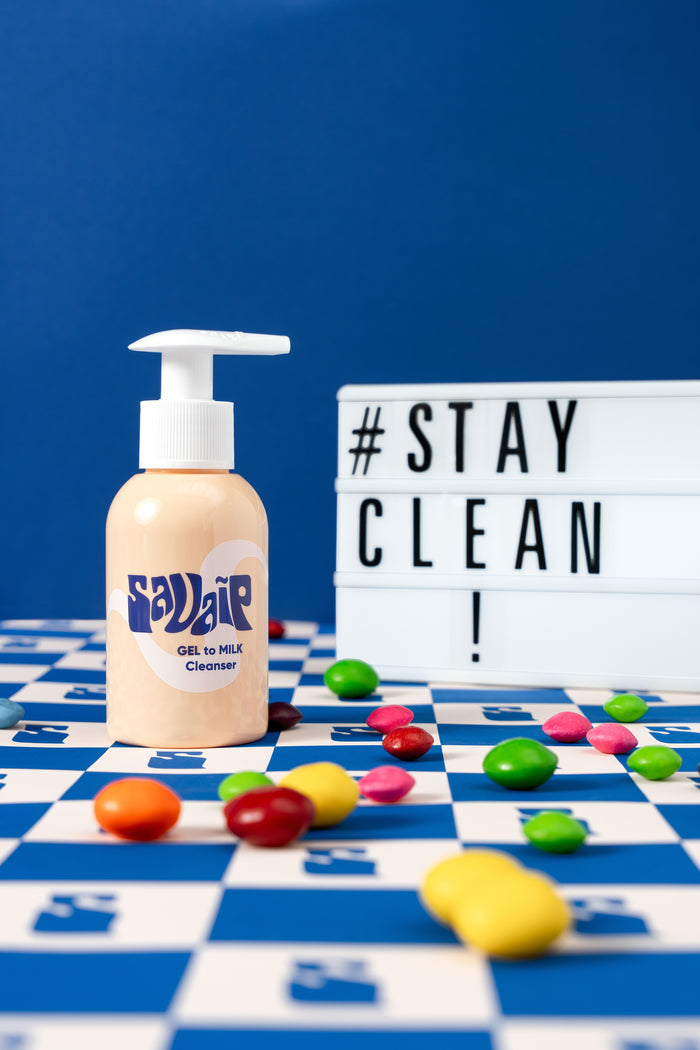
Step 1: Splash lukewarm water, then apply a gel-to-milk cleanser in circular motions.
Step 2: Rinse thoroughly and pat skin dry with a soft towel.
Lock in light hydration
Keep skin plump without heaviness under the summer sun.
Step 1: On dampskin, dispense a few drops of water-based hyaluronic acid or prebiotic serum.
Step 2: Gently press into skin until fully absorbed.
Shield with broad-spectrum SPF
Prevent UV damageand premature aging every single day.
Step 1: After moisturizer, apply at least a nickel-sized amount of SPF 30 or higher.
Step 2: Reapply every two hours and after swimming or sweating.
Reinforce your barrier
Strengthen skin’s defense against heat, pollution, and moisture loss.
Step 1: Choose a ceramide-rich moisturizer and smooth it over face and neck.
Step 2: On extra harsh days, layer a barrier-boosting serum before cream.
Antioxidant power boost
Neutralize free radicals from sun and city living.
Step 1: In the morning, apply a vitamin C or polyphenol serum post-hydration.
Step 2: Seal in protection with your SPF of choice.
Smart exfoliation twice a week
Remove buildup without irritating sensitive summer skin.
Step 1: Use a mild enzyme or low-strength AHA exfoliant in the evening.
Step 2: Rinse well and rebalance with a soothing toner.
Weekly hydrating mask
Give your skin an intensive moisture surge and calm.
Step 1: Apply a microbiome-friendly, hydrating mask for 10–15 minutes.
Step 2: Rinse gently and follow with serum and moisturizer.
Soothe with after-sun recovery
Calm and repair any sun-related irritation or redness.
Step 1: Mist on a cooling aloe-infused toner or facial spray.
Step 2: Finish with a barrier-repair cream rich in panthenol and beta-glucan.
By following these eight concise steps—gentle cleansing, lightweight hydration, daily SPF, barrier reinforcement, antioxidant application, smart exfoliation, weekly masks, and after-sun recovery—you’ll maintain healthy, resilient, and glowing skin all summer long. Consistency and the right products tailored to sensitive skin are your keys to a flawless, sun-ready complexion.


