

Step outside in any major city and you encounter car exhaust and industrial emissions. These pollutants, invisible to the naked eye, settle on your skin. In fact, dermatologists have increasingly focused on the connection between pollution and skin. Studies show that chronic exposure weakens the skin barrier and accelerates signs of ageing. In other words, the grime you feel after a commute isn’t just unpleasant; it may be altering your complexion.
What’s in Urban Air?
Pollution is a diverse cocktail of gases and particles. For example, some of the worst offenders include:
- Particulate matter (PM2.5): Tiny particles from vehicle exhaust that can penetrate the skin.
- Ground-level ozone (O₃): Formed when pollutants react with sunlight, weakening the lipid barrier.
- Nitrogen dioxide (NO₂): Emitted by cars and linked to accelerated ageing.
How Pollution and Skin Interact: The Damage
When pollutants land on your skin, they can cause significant issues. For instance:
- Barrier disruption: Chemicals degrade the barrier’s integrity, leading to dryness and tightness.
- Oxidative stress: Pollutants generate free radicals that lead to collagen breakdown and pigmentation.
- Inflammation & sensitization: Exposure can make skin more reactive and worsen conditions like eczema.
While your body is resilient, cumulative exposure can contribute to premature ageing.
Building an Anti-Pollution Routine for Your Skin
Here’s how to build a routine that supports your skin against environmental aggressors.
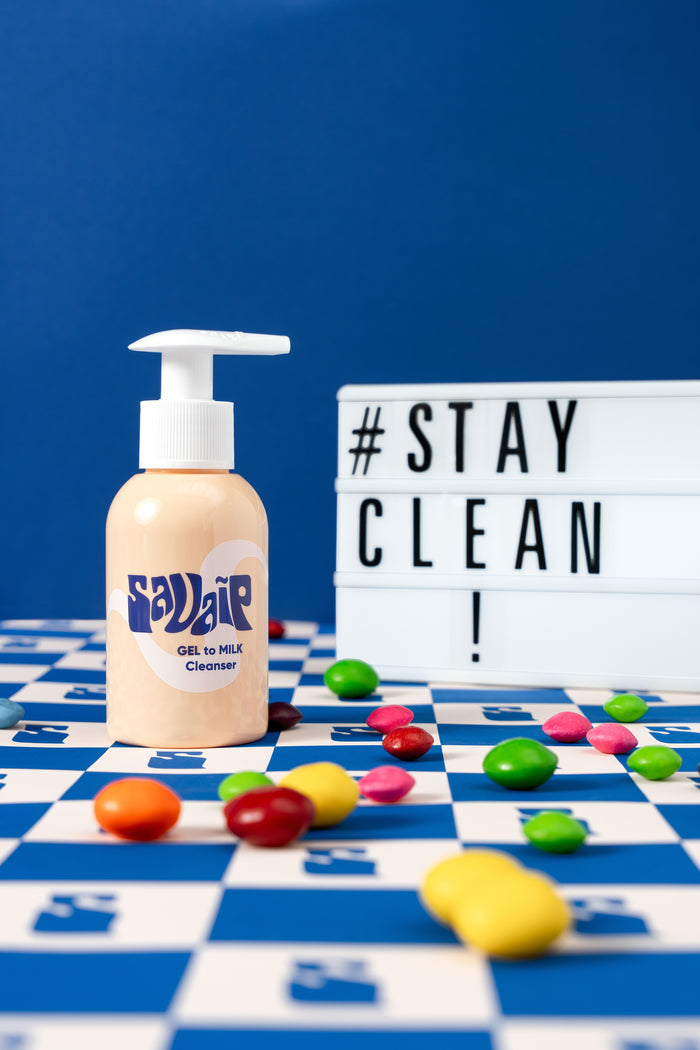
1. Gentle but Effective CleansingAt the end of the day, washing away pollutant residue is critical. However, harsh cleansers may strip the barrier further. Instead, opt for a formula like our Gel-to-Milk Cleanser that dissolves dirt without leaving skin dry.
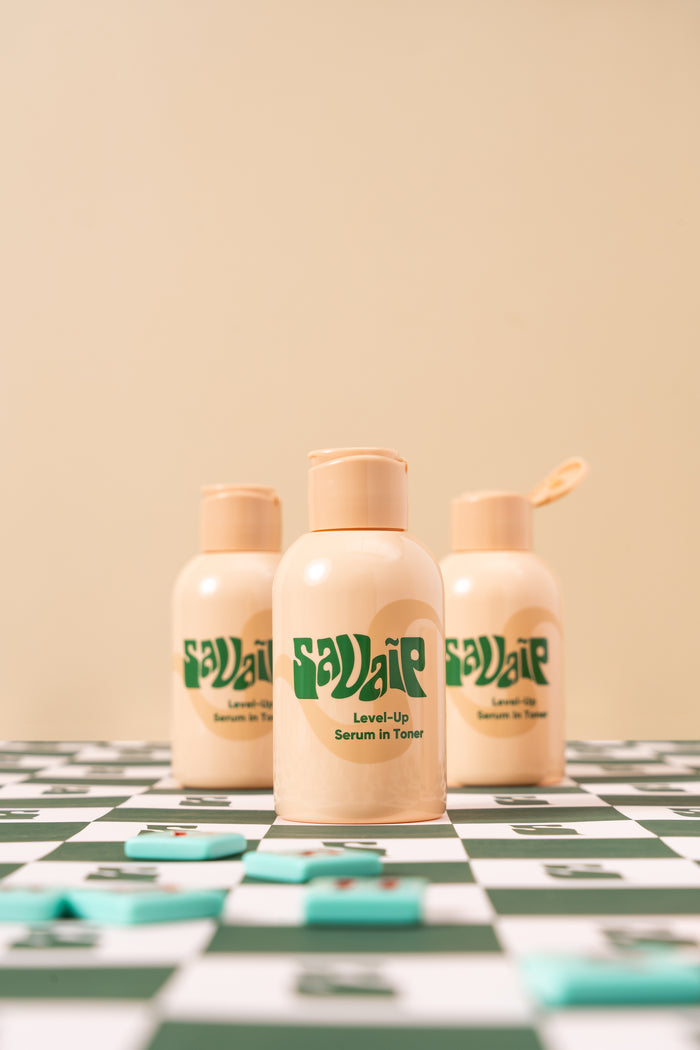
2. Layer on AntioxidantsAntioxidants neutralize free radicals from pollution. Therefore, apply them after cleansing and before moisturizer. A product like our Level-Up Serum in Toner combines antioxidants with hydrating ingredients.
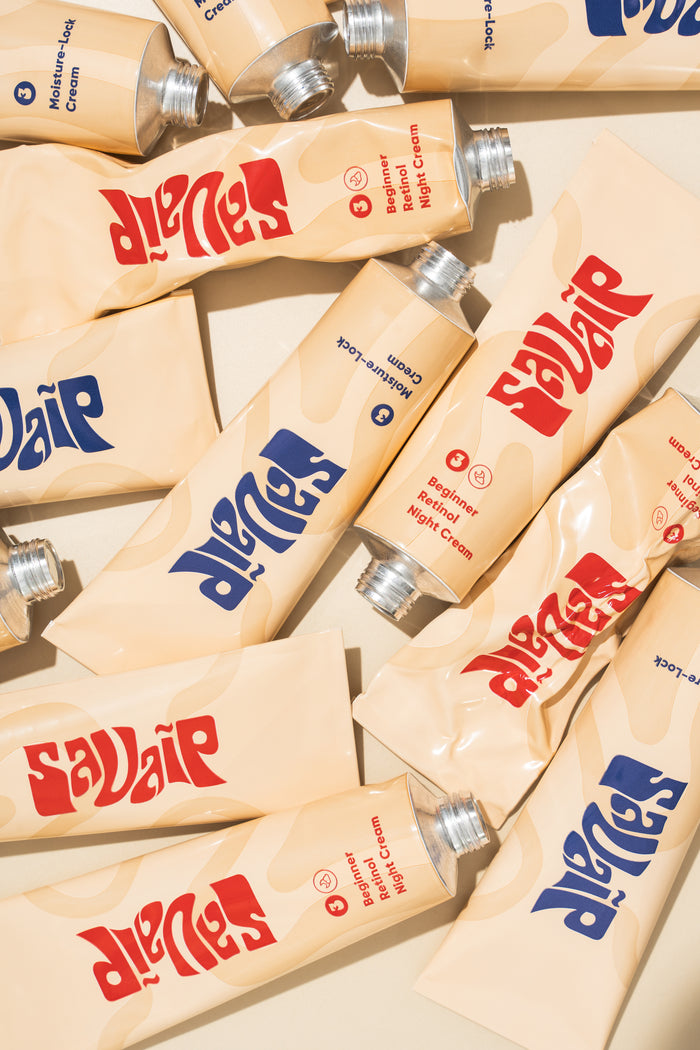
3. Strengthen the BarrierA strong barrier makes it harder for pollutants to penetrate. A lightweight moisturizer like Water-Lock Gel Cream provides hydration without suffocation. Ceramides and niacinamide are also excellent for barrier support.
4. Shield with SunscreenMany pollutants increase photosensitivity. Broad-spectrum sunscreens protect against UV rays, which work with pollution to accelerate ageing. Reapply every two hours when outside.
Lifestyle Adjustments for Better Skin Health
Ultimately, your routine is only part of the solution. To further mitigate the effects of pollution and skin damage, consider these habits:
- Air purifiers: An air purifier can significantly reduce indoor pollutants.
- Hydration: Drinking enough water supports the skin’s detoxification mechanisms.
- Diet: Fruits and vegetables rich in vitamins A, C, and E supply antioxidants from within.
Final Thoughts: A Breath of Fresh Skin
While we can’t control the air around us completely, we can minimize the impact of pollution and skin damage through a thoughtful routine. Consequently, by cleansing gently, layering antioxidants, and strengthening the barrier, you empower your skin to thrive in any environment.


