

We wake up to the glow of an alarm screen and scroll through emails before our first cup of coffee. Digital devices have become the backdrop of modern life. In fact, an emerging question is whether this constant exposure affects our complexion. Studies show that high-energy visible (HEV) light can contribute to blue light hyperpigmentation. While your phone isn't going to cause a sunburn, it may contribute to dullness and uneven tone if exposure is unmitigated. Thankfully, awareness and small adjustments can make a dramatic difference.
Understanding Blue Light and Its Link to Hyperpigmentation
High-energy visible (HEV) light has a shorter wavelength and higher energy than other colors. The sun is our greatest source, but LED screens also emit this spectrum. When HEV reaches skin cells, it can trigger the formation of free radicals. In melanocytes—the cells that produce pigment—this exposure can increase melanin production. Over time, this process is what causes blue light hyperpigmentation or melasma flares.
More Than a Cosmetic Concern: Sleep, Mood, and Beyond
Blue light’s influence extends beyond the epidermis. For example, our circadian rhythm is regulated by light cues. Bright screens at night can delay melatonin secretion, making it harder to fall asleep. Furthermore, poor sleep has been linked to increased cortisol (our stress hormone), which can impair the skin barrier and slow healing. In other words, your late-night scrolling may not cause a sunspot on its own, but its effect on sleep can set off a cascade of skin issues.
Who Needs to Pay Attention to Blue Light Exposure?
If you spend several hours a day in front of screens, you’ll benefit from blue light awareness. Individuals who have melasma, post-inflammatory hyperpigmentation, or who tan easily may be particularly sensitive. Ultimately, if you’ve noticed your complexion looks sallow despite a consistent routine, excess HEV exposure might be the missing piece of the puzzle.
How to Prevent Blue Light Hyperpigmentation
Here are simple, effective strategies to defend your skin:
1. Choose Iron-Oxide–Rich Sunscreens
Traditional sunscreens protect against UVA and UVB but do little to block visible light. Research shows that minerals like iron oxide can attenuate blue light. Therefore, apply them as the final step in your morning routine.
2. Layer Antioxidants Underneath
Antioxidants neutralize the free radicals generated by blue light. Vitamin C, resveratrol, and niacinamide are potent options. Apply a serum packed with these ingredients before your moisturizer.
3. Adopt Digital Hygiene Habits
Reducing HEV exposure doesn’t mean giving up technology. For instance, you can:
-
- Use the “night shift” or “warm light” settings on your devices after sunset.
- Sit at least an arm’s length away from your screen.
- Follow the 20-20-20 rule: every 20 minutes, look at something 20 feet away for 20 seconds.
4. Support Your Skin Barrier
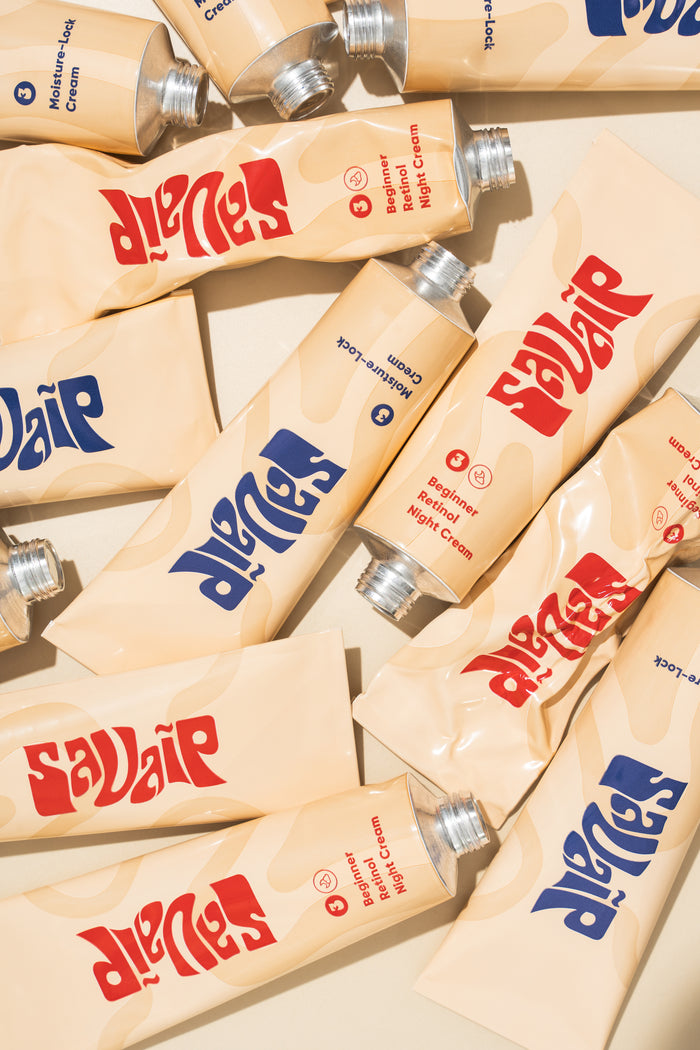
Healthy skin is more resilient against all forms of stress, including the risk of blue light hyperpigmentation. After cleansing, use hydrating layers to reinforce the barrier. For example, our Plump-Glow Milky Toner and Moisture-Lock Cream are great options to ensure your complexion starts from a place of strength.
Final Thoughts on Blue Light and Skin Health
Blue light is another factor to consider in our holistic approach to complexion health. By making mindful adjustments and embracing antioxidant-rich skincare, you can enjoy modern technology without sacrificing your glow. In conclusion, remember that your skin thrives on balance, not perfection.


