

We’ve all stared at the mirror and wondered about tiny, stubborn bumps. In fact, understanding the difference between fungal acne and closed comedones is the first step toward an effective closed comedones treatment. That frustration is real—especially when you’re doing everything “right.” So, let’s break down what’s really going on so you can treat your skin with confidence and kindness.
What Is Fungal Acne? (And Why It’s Not Acne)
Despite its name, fungal acne isn’t acne at all—it’s a follicular infection caused by an overgrowth of yeast. The result? Clusters of itchy, red bumps. Unlike traditional acne, these bumps often burn or itch. Furthermore, certain factors make it more likely:
- Warm, humid climates or sweaty workouts.
- Heavy, oil-rich products that feed yeast.
- Friction from tight clothing.
Because it’s yeast-related, typical acne treatments don’t always help.
How to Tell Fungal Acne and Closed Comedones Apart
It’s easy to confuse these bumps, but a few key differences can help you sort them out:
- Uniformity: Fungal acne bumps are all about the same size. Closed comedones vary in size.
- Sensation: Itching or burning points to fungal acne, while closed comedones are usually symptom-free.
- Treatment response: Products like salicylic acid or retinoids are part of a good closed comedones treatment. Fungal acne needs antifungal care.
Effective Closed Comedones Treatment
Whiteheads don’t require antifungals; they need gentle exfoliation and pore care. An effective closed comedones treatment includes the following steps:
- Introduce BHAs: Salicylic acid dissolves oil and clears pores. Begin with a low concentration.
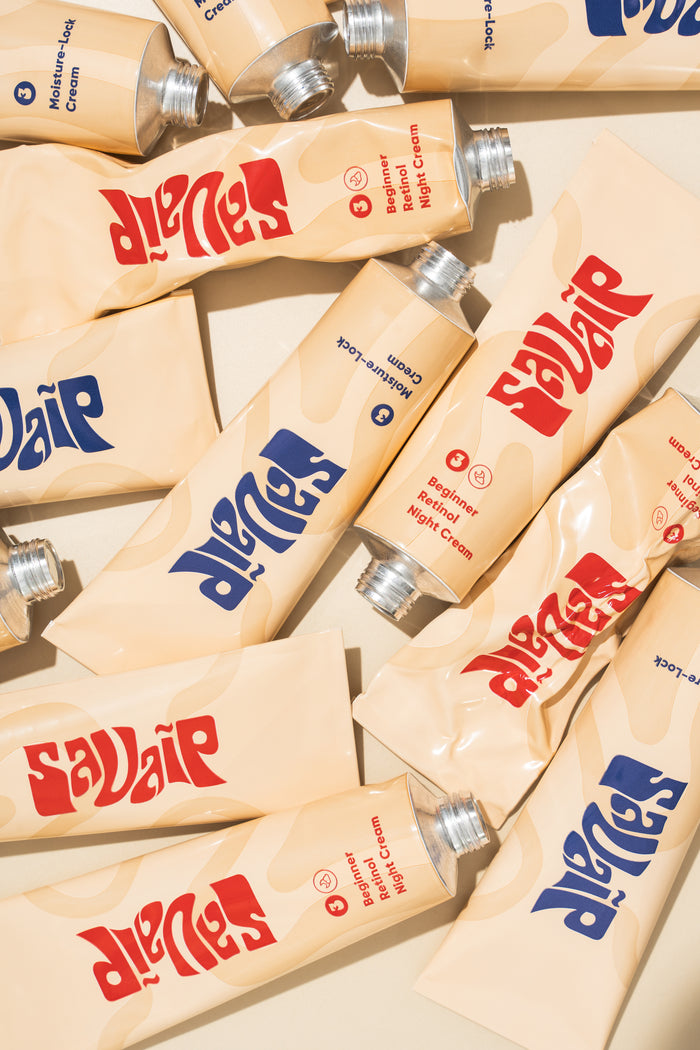
- Use retinoids carefully: Retinoids boost cell turnover and prevent congestion. Start slowly with a gentle formula.
- Choose non-comedogenic products: A water-based moisturizer like the Water-Lock Gel Cream keeps skin soft without clogging pores.
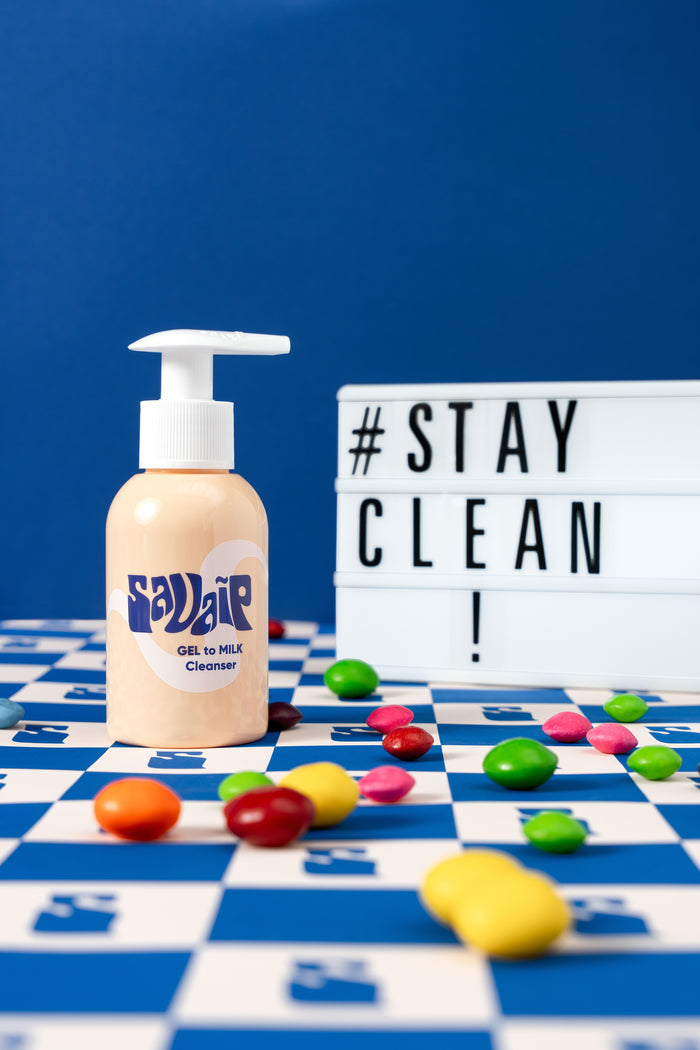
- Cleanse consistently: Wash your face twice daily with a gentle cleanser like Gel-to-Milk Cleanser to remove oil and makeup.
- Let professionals handle extractions: Squeezing at home risks scars and more breakouts.
Prevention Tips for Both Conditions
A good skincare routine is about prevention. For example:
- Adapt to your environment: Shower promptly after a humid day or gym session to keep yeast and oil at bay.
- Simplify your routine: Layering too many products can overwhelm your skin. Focus on a clean, treat, and hydrate regimen.
- Check your ingredients: Look for “non-comedogenic” and “oil-free” labels to support your closed comedones treatment.
- Listen to your skin: If something stings or itches, give your skin a break.
A Gentle Final Thought
Ultimately, navigating tiny bumps doesn’t have to be a guessing game. Fungal acne is a yeast-related infection, while closed comedones are non-inflammatory clogs. Once you know what you’re dealing with, you can choose the right solution, like a targeted closed comedones treatment. In conclusion, gentle care and patience go a long way.


