

Many people treat dehydrated skin the same way they treat dry skin, and that’s where things go wrong. In fact, if your skin feels tight or dull but still gets oily, there’s a good chance you’re not dry at all. You’re dehydrated. The fix isn’t heavier creams; it’s smarter hydration.
So, let’s break it down gently, clearly, and without the skincare confusion.
What Dehydrated Skin Really Means
Essentially, dehydrated skin is a temporary condition, not a skin type. It means your skin lacks water, not oil. Dry skin, on the other hand, lacks oil and tends to feel consistently rough or flaky. This distinction matters because dehydrated skin can happen to anyone—oily, combination, sensitive, or acne-prone. Furthermore, lifestyle habits, climate changes, and harsh products can all disrupt hydration.
Why This Condition Is So Often Misdiagnosed
Dehydrated skin can feel tight yet look shiny. It might feel irritated but still break out. Consequently, that contradiction causes people to reach for heavier moisturizers or facial oils, which often backfires. Instead of restoring balance, overloading your skin can trap dehydration underneath and disrupt the barrier even more.
How to Fix Dehydrated Skin Gently
- Cleanse without stripping: First, use a cleanser that removes buildup without leaving your skin squeaky or tight.
- Add water back first: Then, use hydrating toners and essence-like formulas to replenish water levels before sealing anything in.
- Seal, don’t suffocate: Following that, choose a lightweight moisturizer that locks in hydration without feeling heavy or occlusive.
- Support the barrier: Finally, look for ingredients that strengthen the skin barrier. This helps your skin retain hydration long-term.
What Ingredients Actually Help Dehydrated Skin?
For best results, look for ingredients that do the following:
- Attract water (humectants)
- Support the skin barrier (lipids)
- Reduce sensitivity (calming agents)
Also, avoid routines packed with exfoliants or actives until hydration is restored.
Focus on Barrier Support, Not Product Quantity
When skin is dehydrated, its barrier is usually compromised. A weakened barrier allows water to escape faster than your skin can hold onto it. Therefore, supporting the barrier with the right ingredients helps skin retain hydration naturally, without overwhelming it.
The Smart Way to Rehydrate Without Overdoing It
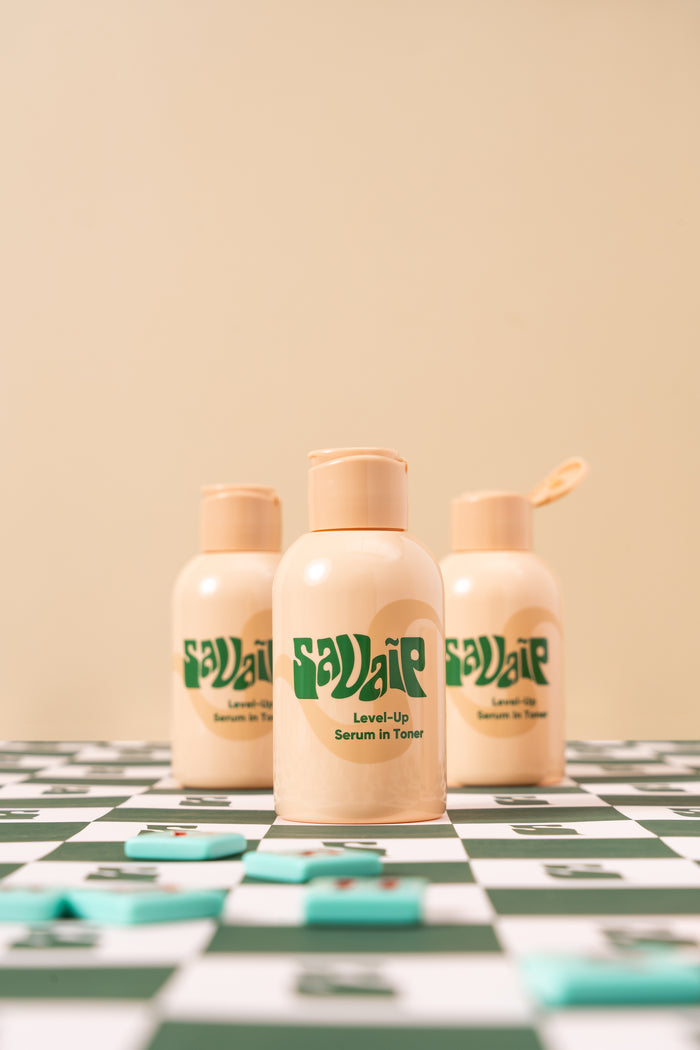
Hydration works best when applied in light, breathable layers. A hydrating toner is often the most overlooked step, yet it’s one of the most effective ways to deliver water directly to the skin. For example, a formula like Plump-Glow Milky Toner helps replenish hydration while keeping skin calm and balanced. Once hydration is in place, sealing it matters just as much. A lightweight gel moisturizer such as Water-Lock Gel Cream helps lock in water without feeling heavy, making it ideal for dehydrated skin that doesn’t want rich textures.
Final Takeaway on Dehydrated Skin
Ultimately, dehydrated skin doesn’t need more products; it needs the right balance. When hydration is layered thoughtfully and the barrier is respected, skin naturally becomes calmer, smoother, and more resilient. In conclusion, hydration should feel comforting, never overwhelming.


