


There are more microbial cells on our bodies than human cells. On your skin alone lives a diverse community of bacteria and fungi known as the skin microbiome. This microscopic ecosystem plays a vital role in maintaining barrier integrity and supporting immune function. In other words, when this community is balanced, skin tends to be hydrated and calm. As interest in microbiome-friendly skincare grows, it’s important to understand what your skin microbiome does and how to care for it.
The Many Roles of the Skin Microbiome
A healthy skin microbiome performs several critical jobs:
- Barrier Support and Hydration: Beneficial microbes help maintain optimal skin pH and produce metabolites that draw moisture into the skin.
- Immune Modulation: These microbes interact with immune cells, teaching them to distinguish friend from foe and promoting tolerance.
- Competitive Exclusion: Friendly bacteria compete with pathogenic species for space and nutrients, preventing harmful microbes from dominating.
Factors That Influence Your Skin Microbiome
Many daily habits can affect the balance of your skin microbiome. For example:
- Cleansing habits: Over-cleansing or using harsh soaps can strip away beneficial microbes.
- Topical treatments: Strong acids and retinoids can alter microbial populations if overused.
- Environmental factors: Humidity, temperature, and UV exposure shift its composition.
- Lifestyle: Diet, stress, and sleep all affect the microbiome on the skin and in the gut.
Understanding Probiotics, Prebiotics, and Postbiotics
The cosmetics industry has embraced these terms, but confusion is common:
- Probiotics: Live microorganisms that aim to support resident microbes. However, keeping them alive in a topical product is challenging.
- Prebiotics: Non-living substances (like inulin or plant sugars) that provide a favorable environment for beneficial microbes.
- Postbiotics: Metabolites or fragments of bacteria that offer anti-inflammatory and protective benefits without needing to be alive.
When evaluating such products, look for transparency and clinical testing.
Everyday Ways to Support Your Skin Microbiome
1. Cleanse Wisely
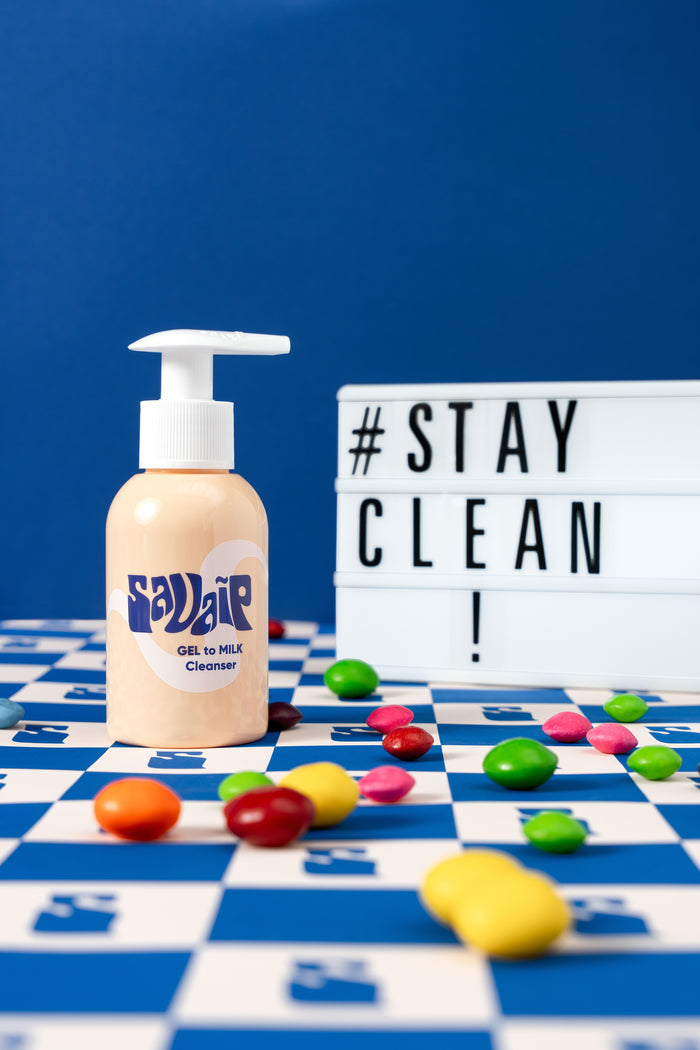
Morning and evening cleansing remove dirt and pollution without stripping beneficial oils. Our Gel-to-Milk Cleanser, for instance, is formulated to emulsify grime while maintaining the skin’s lipid barrier.
2. Hydrate and Nourish
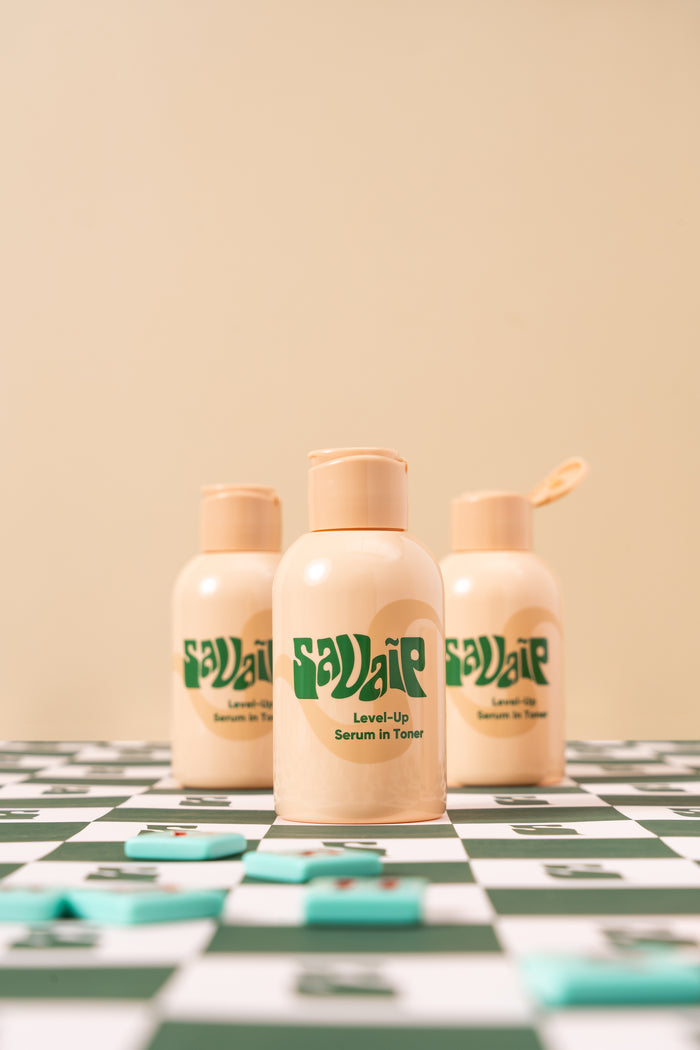
A balanced skin microbiome thrives in a well-hydrated environment. Furthermore, applying a product like our Plump-Glow Milky Toner infuses skin with prebiotic plant sugars that feed beneficial bacteria.
3. Introduce Actives Gradually
If you use exfoliating acids or retinoids, start with a low frequency. Over-exfoliation can disturb the microbiome. Consequently, listen to your skin; irritation is a sign to slow down.
4. Embrace Fermented Foods and Fiber
The gut microbiome influences the skin. Fermented foods like yogurt and kimchi introduce beneficial bacteria, while fiber from whole grains feeds these microbes.
The Future of Microbiome-Friendly Beauty
Consumer interest in microbiome health has surged. Biotechnology advances are enabling the creation of sophisticated ingredients that may support skin health. However, the industry is still evolving. Ultimately, it's best to look for brands that prioritize research, transparency, and gentle formulations.
Final Thoughts: Nurture Your Microbial Allies
Your skin microbiome isn’t an enemy to be vanquished but a partner to be nurtured. By cleansing gently, hydrating generously, and managing stress, you foster a diverse microbial community that works with you. In conclusion, when you respect your skin’s innate intelligence, it rewards you with calm, resilient radiance.


