

When Your Sensitive Skin Sends an SOS
You know that moment when your skin suddenly feels tight, red, or extra sensitive? In fact, that discomfort isn’t just on the surface. It’s your skin barrier signaling distress. This is a common issue for anyone with sensitive skin.
Furthermore, when your barrier weakens, moisture escapes and irritants sneak in, causing redness and tightness. The good news? With the right care, your skin can bounce back faster than you think.
Step 1: Simplify Your Routine for Sensitive Skin
Before adding more, simplify. Over-cleansing, over-exfoliating, or using strongly fragranced formulas can worsen sensitivity. Therefore, choose fragrance-free, barrier-repairing care that respects your sensitive skin’s rhythm.
Read also: Why Fragrance-Free Matters for Sensitive Skin
Step 2: Rebuild Your Skin’s Barrier
Think of your skin barrier as a soft armor. When it’s compromised, everything feels off. To rebuild it, look for actives that hydrate and protect. For example:
- Ceramide NP: locks in moisture and strengthens skin’s natural shield.
- Aquaxyl®: helps optimize water flow in your skin for long-lasting hydration.
- Soothing Complex: calms inflammation and restores comfort fast.
Essentially, these actives work together to restore balance, especially when your skin feels reactive.
Read more: Barrier Boosters: Ingredients That Hug Your Skin
Step 3: Layer on Calm for Sensitive Skin
Your skin needs extra protection, especially in dry or cold air. To keep your sensitive skin calm, consider these steps:
- Use rich moisturizers with ingredients like ceramide NP and shea butter.
- Keep showers short and lukewarm to avoid stripping oils.
- Always apply moisturizer within 30 seconds of washing your face to seal in hydration.
- Don’t skip sunscreen; UV rays still reach you in winter!
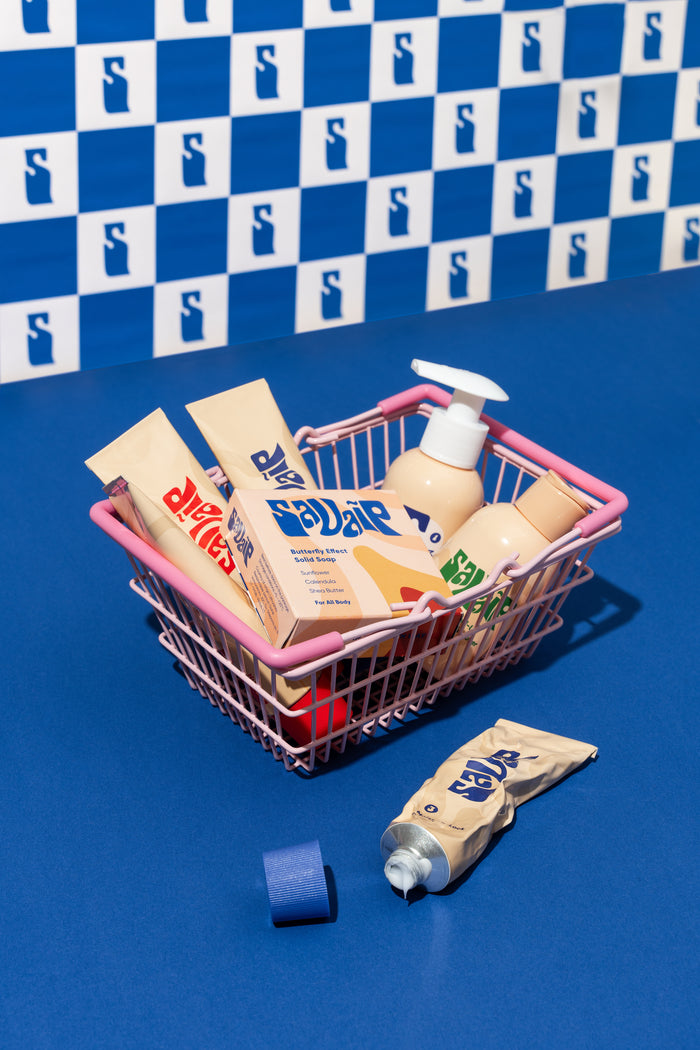
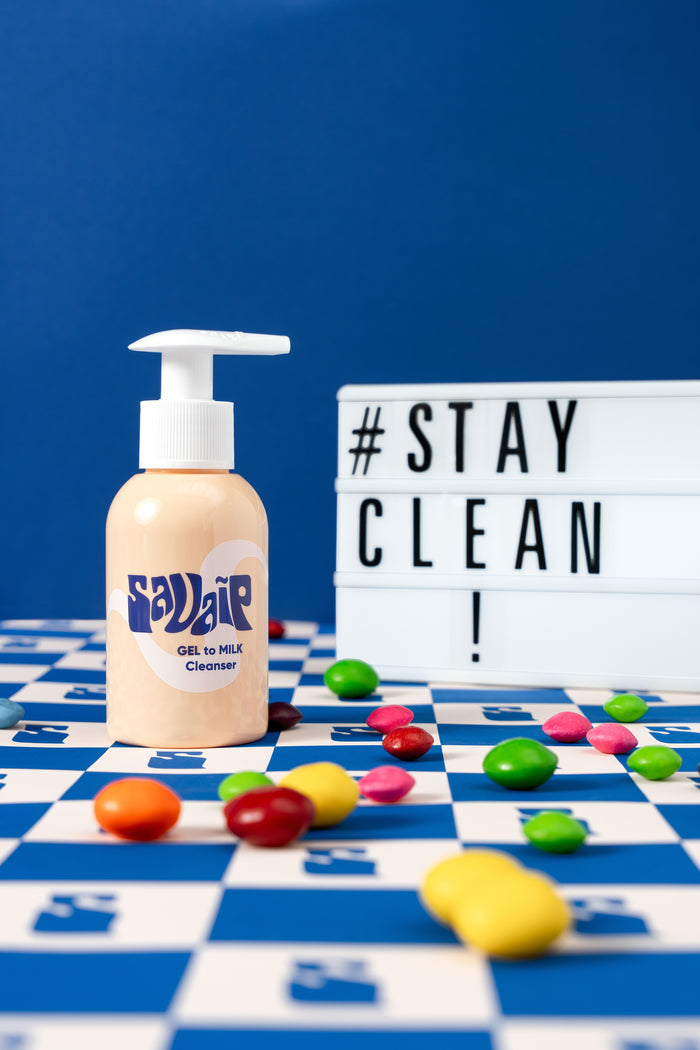
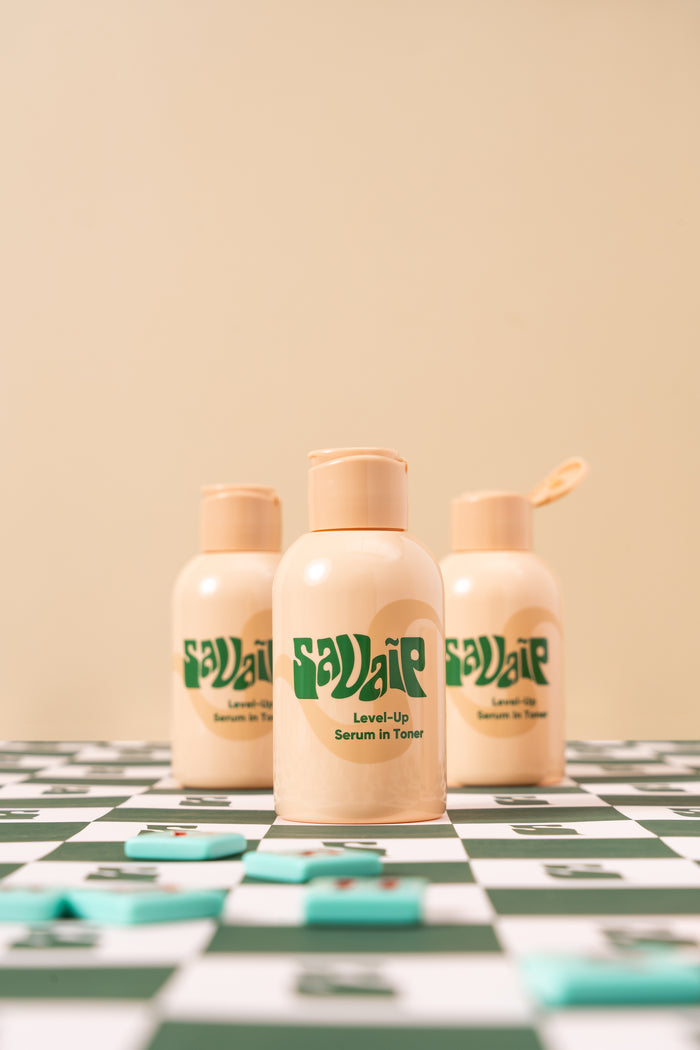
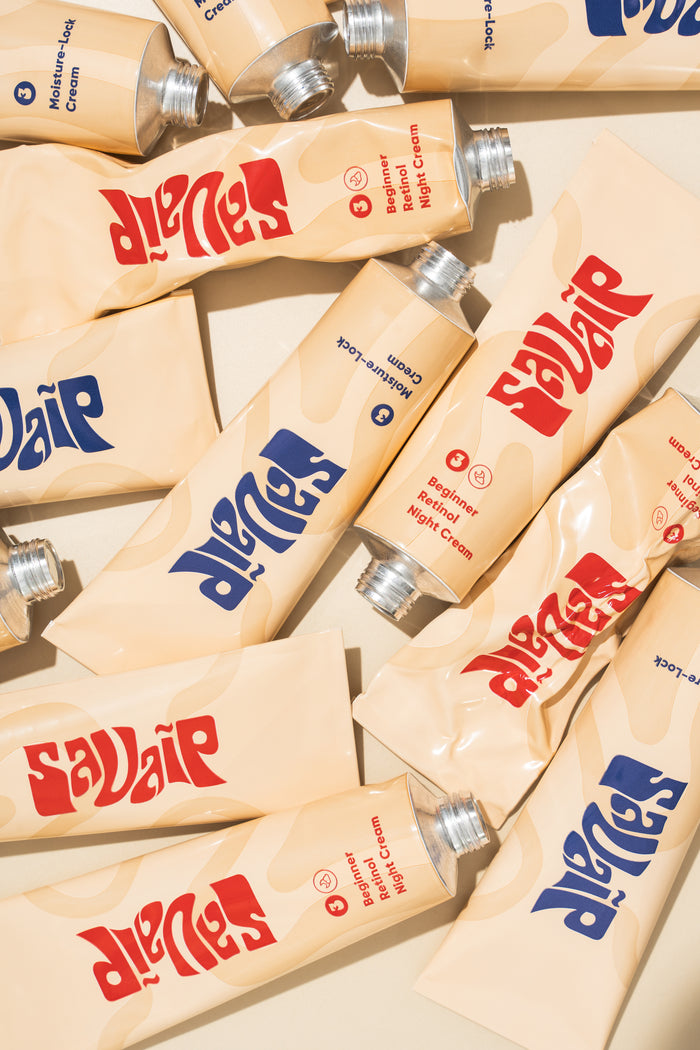
Savaip’s calming, barrier-supporting formulas can help lock in moisture while keeping skin balanced.
Step 4: Create a Consistent Comfort Routine
Gentle care works best when it’s consistent. Therefore, use calming products every day, especially during season changes. Always apply your hydrating treatment on slightly damp skin for better absorption.
Step 5: Listen to Your Sensitive Skin
Your skin speaks through sensations. Redness, tightness, or dryness mean it needs comfort, not correction. This is particularly true for sensitive skin.+
If irritation continues, check with a dermatologist to rule out underlying conditions.
Read more: American Academy of Dermatology– Understanding Sensitive Skin
Final Thoughts on Caring for Sensitive Skin
When your skin says “help,” it’s really asking for patience and protection.
By focusing on hydration, barrier repair, and fragrance-free comfort, you’re giving your skin exactly what it needs to thrive. In conclusion, at Savaìp, we believe that comfort is where confidence begins.


